These are only a few of the landmarks that made Schoolfield the full village it once was. You can read more about these historic landmarks and the history of the village in the Schoolfield Historic District nomination form at the Department of Historic Resources site. Much of the research and the historical narrative text in the nomination was used in the summaries below, with special thanks to Hill Studio in Roanoke, Virginia for their architectural descriptions of the Schoolfield landmarks and to the City of Danville for their assistance in the survey work for Schoolfield. This online exhibit is also complemented by a City of Danville GIS tour of Schoolfield created by Brady Walker and Renee Burton.
12 Schoolfield Drive – Schoolfield Baptist Church
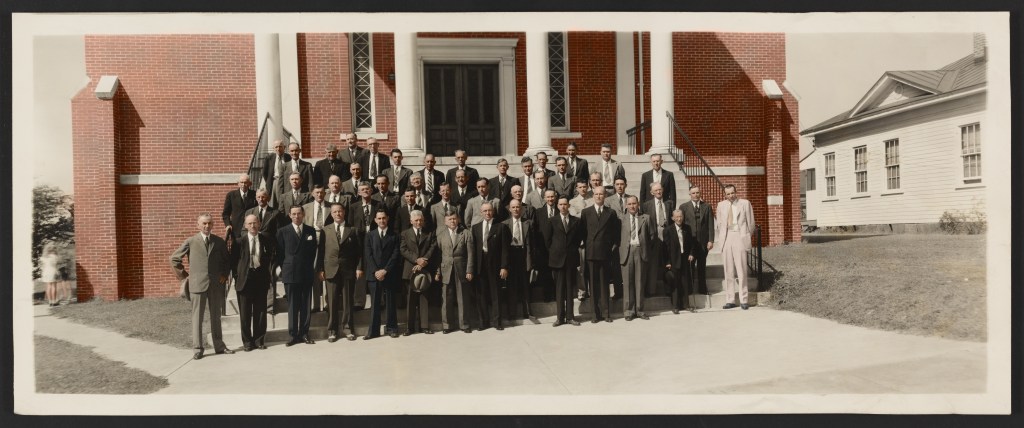
The 1942 Schoolfield Baptist Church at 12 Schoolfield Drive is a blend of Georgian and Colonial Revival style. This brick church replaced an earlier 1906 wood structure constructed with the support of Dan River Mills. Click here to read more!
31 Baltimore Avenue – Schoolfield School
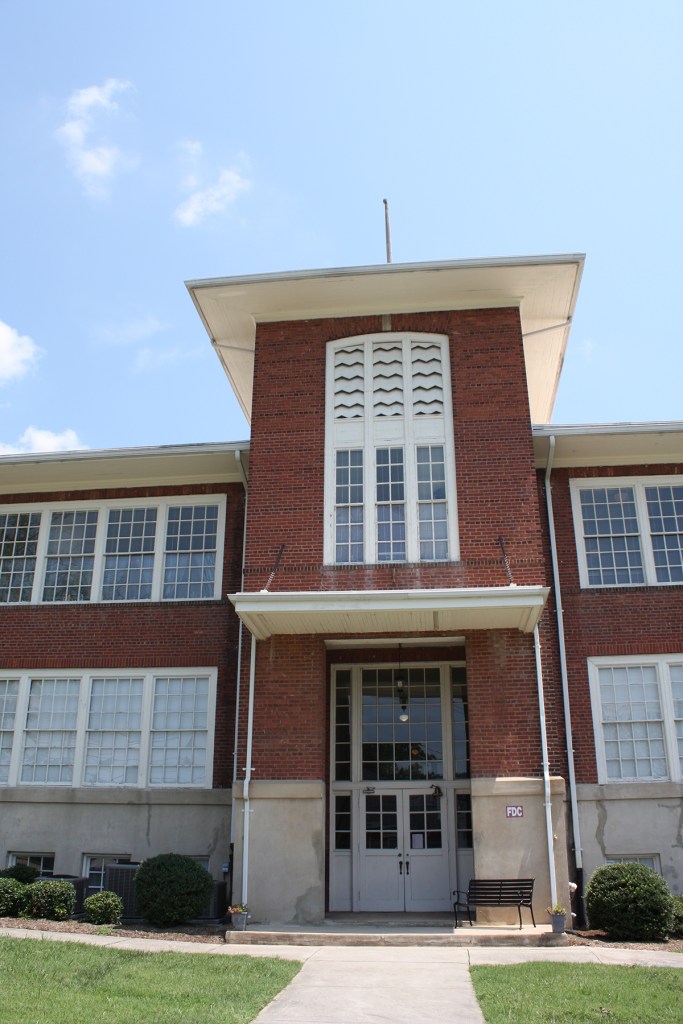
This Prairie Style School designed by Charles G. Pettit Jr. was one of the first schools in the village, completed in 1913 on land donated to the Pittsylvania County School Board by Dan River Mills. Click here to read more!
150-162 Schoolfield Drive – Schoolfield Cemetery
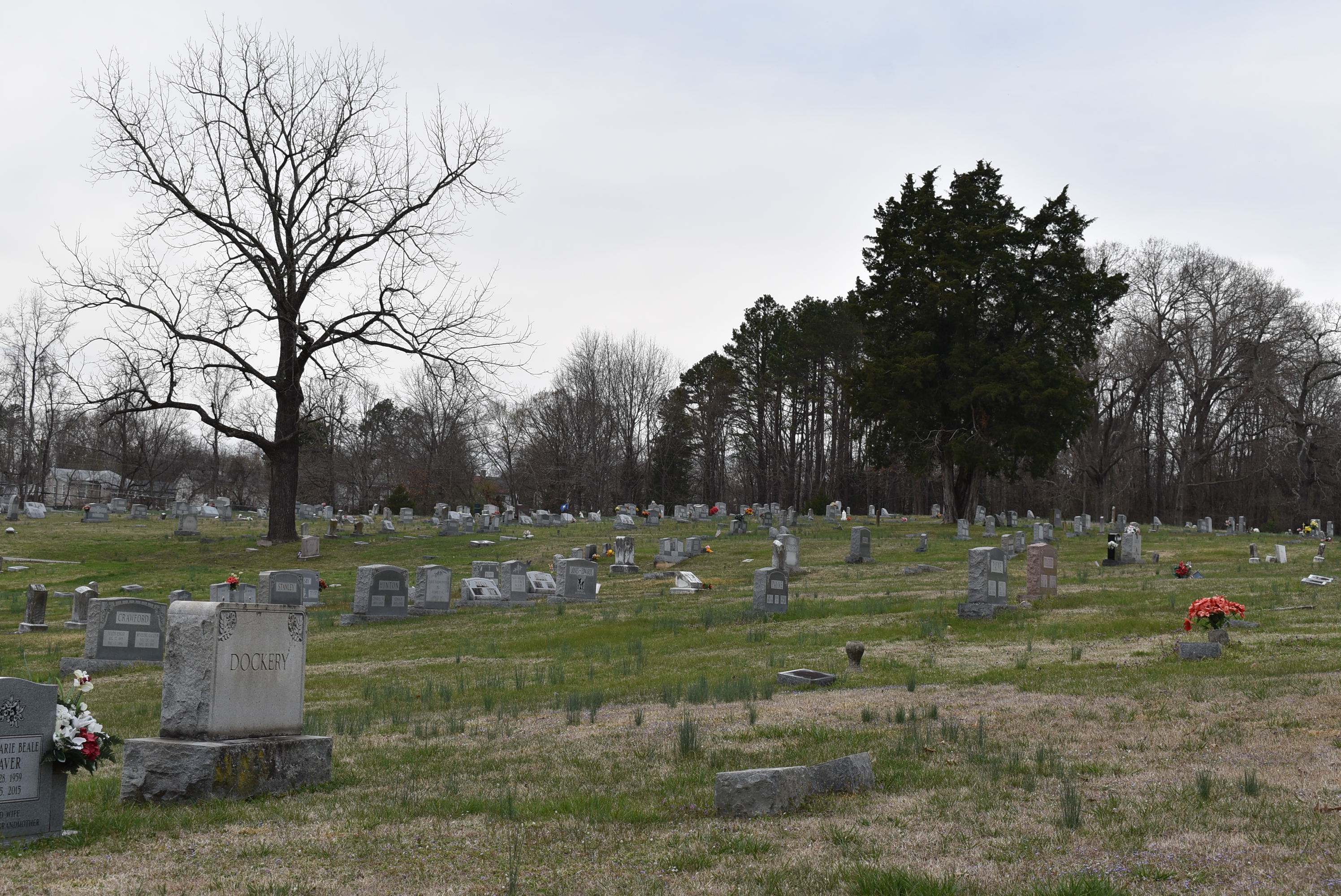
Nestled in the southern belly of Schoolfield lies the Schoolfield Cemetery, begun by Dan River to serve the village around 1910. Click here to read more!
600 W. Main Street – Ball Park
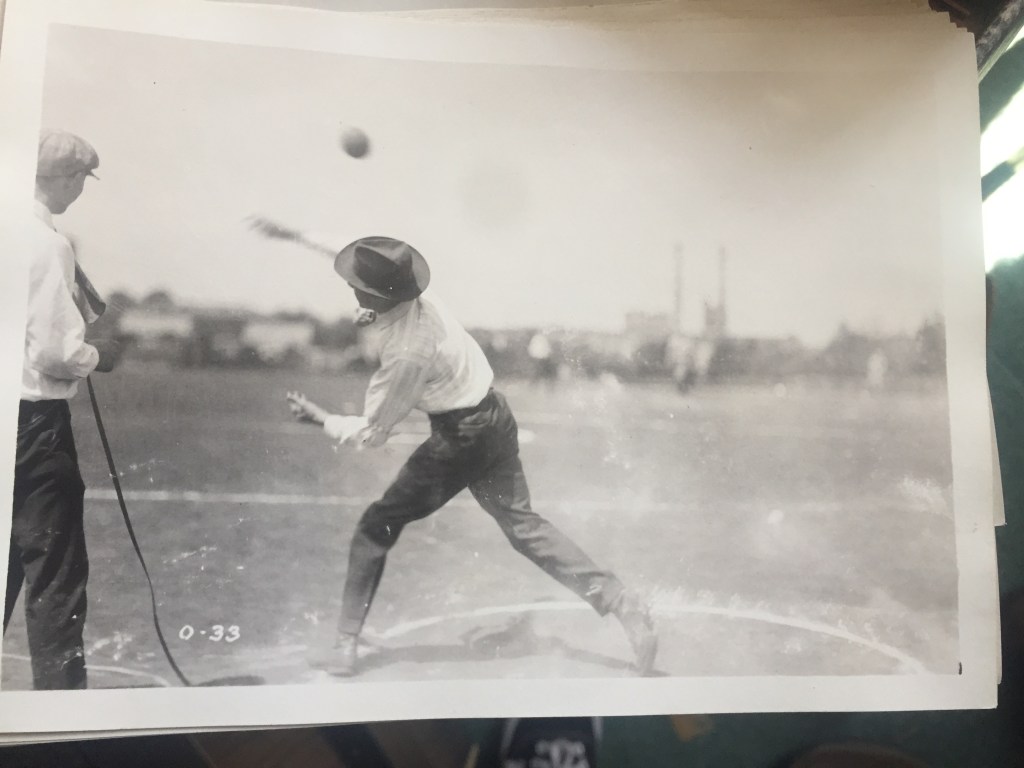
Where Ballou Shopping Park is now was once the Danville Fairgrounds, home to a baseball park built by Dan River for its workers’ baseball league that began in the early twentieth century. Click here to read more!
700 Lanier Avenue – Hylton Hall
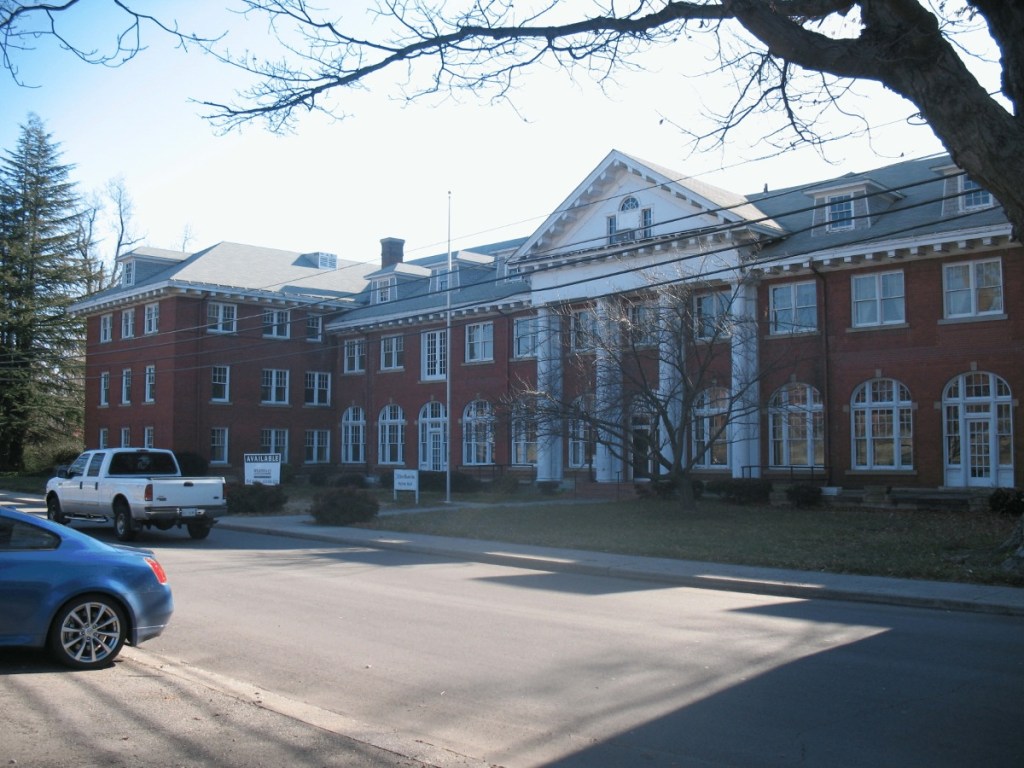
On this site once stood Hylton Hall, a Classical Revival style women’s dormitory designed by J. Bryant Heard and built by Dan River in 1919 to house young single women who came to work at the mill. Click here to read more!
817 W. Main Street – Schoolfield YMCA
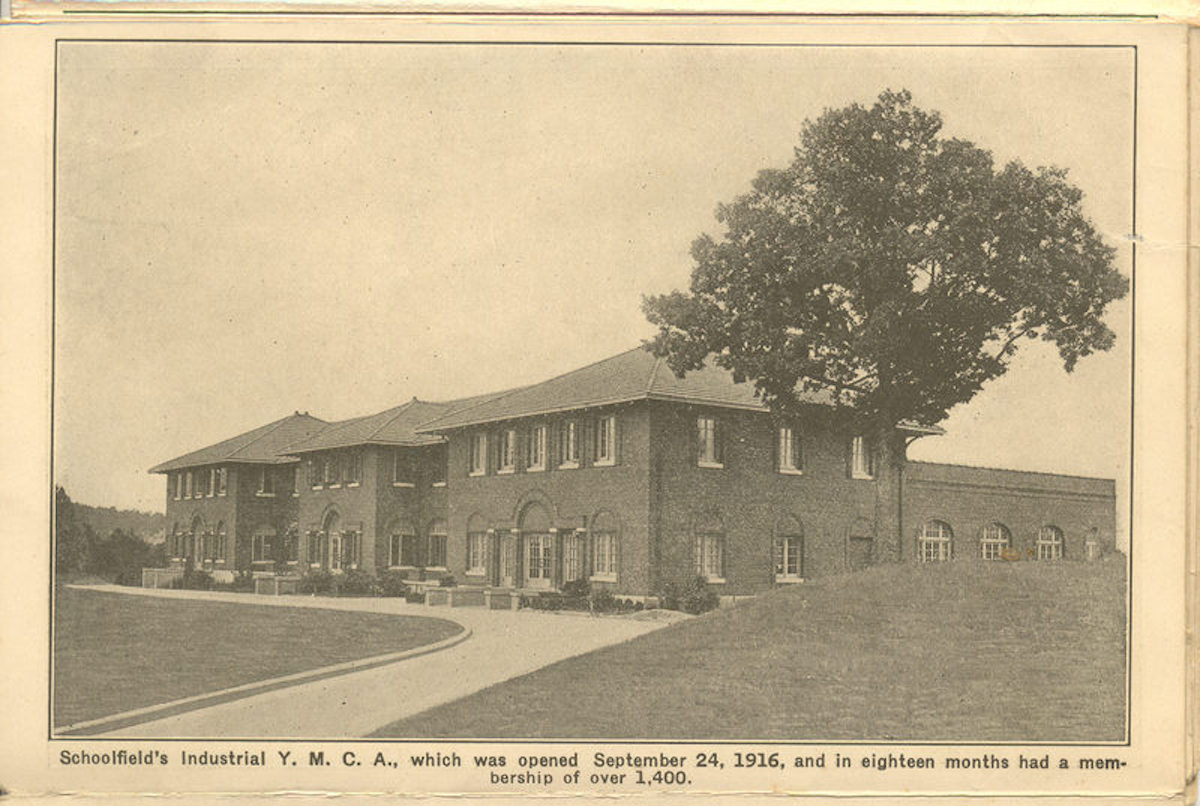
On this CVS site once stood a landmark of Dan River’s welfare programs, the Schoolfield YMCA and Recreation Center. Designed by J. Bryant Heard and built in 1916, the building functioned as a community hub and was briefly home to Dan River’s experiment in Industrial Democracy. Click here to read more!
822 W. Main Street – Spessard House
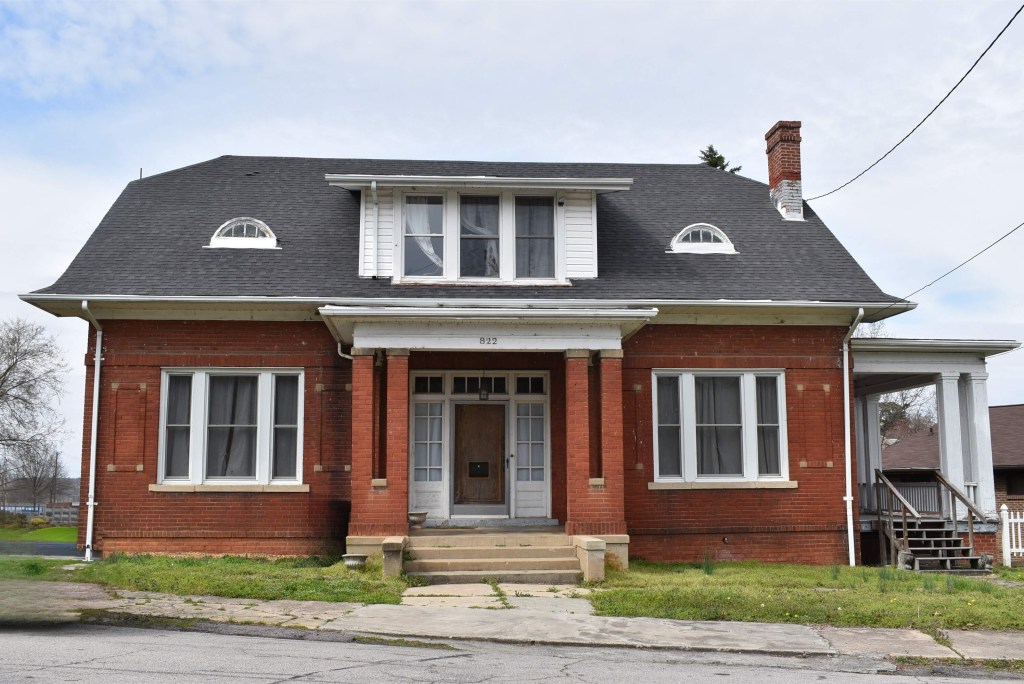
This ca. 1916 house built in the Craftsman style with Colonial Revival influences was built for H.E. Spessard, who was the director of the former Schoolfield Y.M.C.A., also built in 1916. It is unique as it is the only original brick home in the village built by Dan River. Click here to read more!
917 W. Main Street – Welfare Building
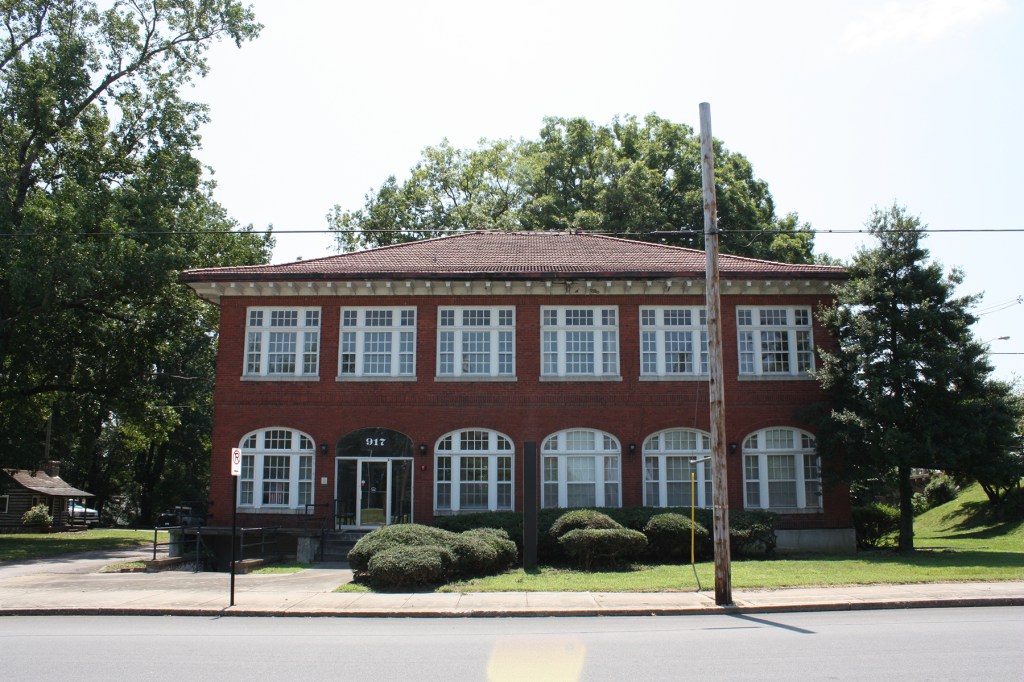
Designed by J. Bryant Heard and built in 1917 in the Mission and Classical Revival styles, this once was the Welfare Building, later known as the Personnel Building, that served Schoolfield families and medical and payroll services for Dan River workers. Click here to read more!
1009 W. Main Street – The Front
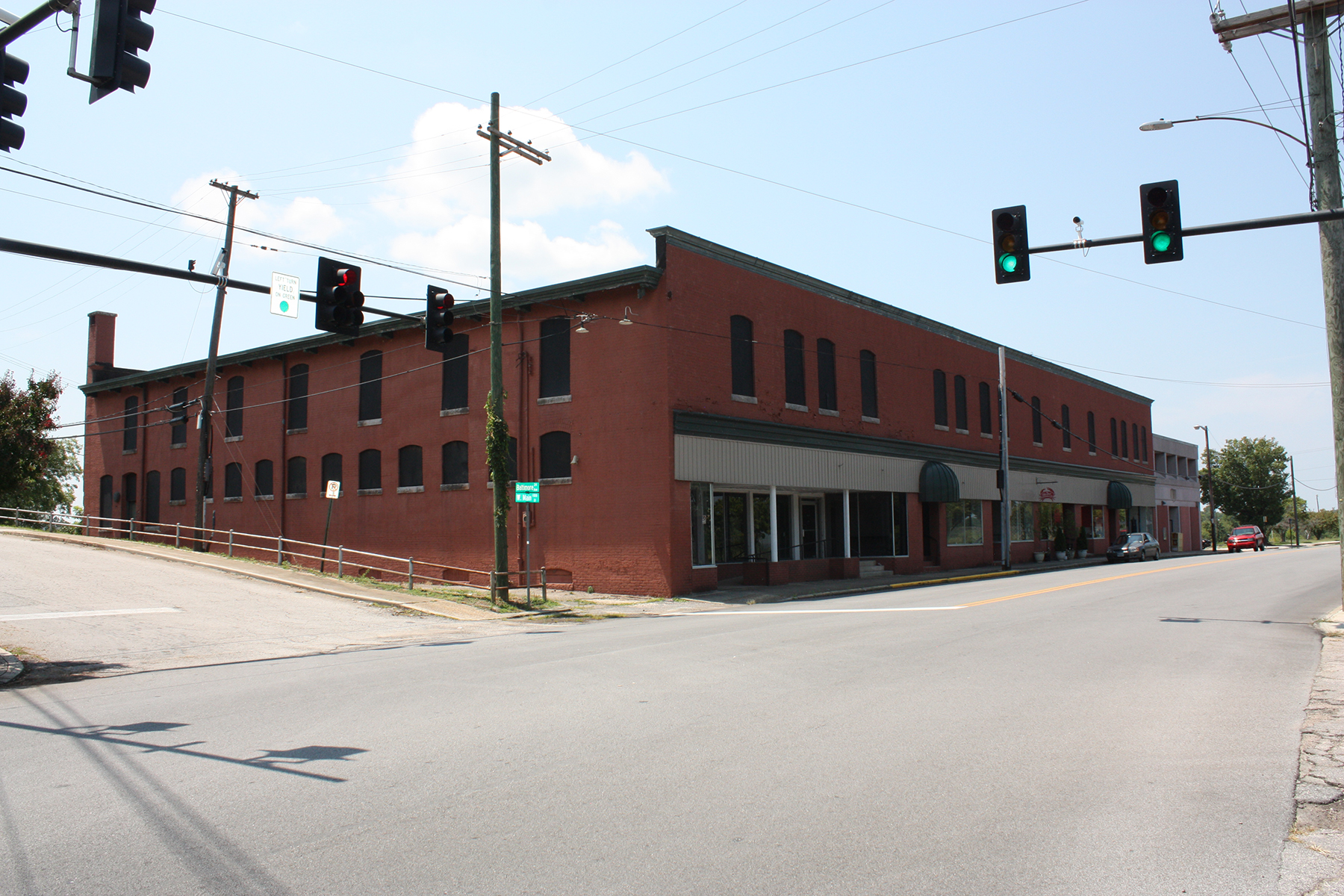
Built in a Main Street Commercial style by Dan River around 1903, this building was the hub of Schoolfield’s commercial life, housing the Dan River Cloth Store and Schoolfield Lunch, among other shops and restaurants. Click here to read more!
1017 W. Main Street – Schoolfield Bank & Trust
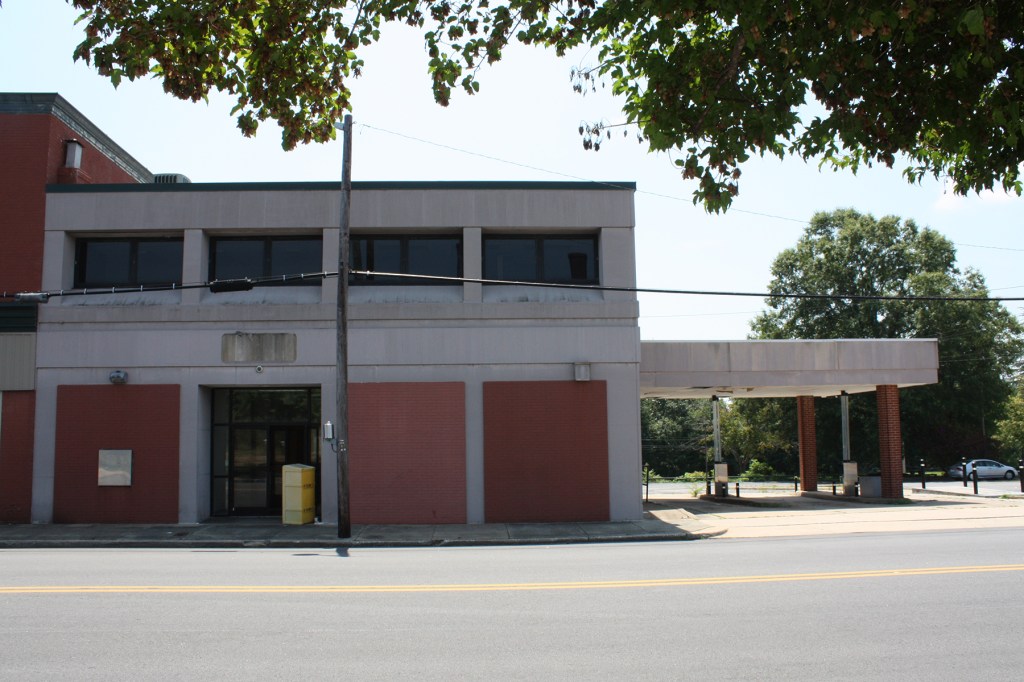
This International Style building was home to the Schoolfield Industrial Loan Corporation, later known as the Schoolfield Bank & Trust. Click here to read more!
1040 W. Main Street – Schoolfield Canteen
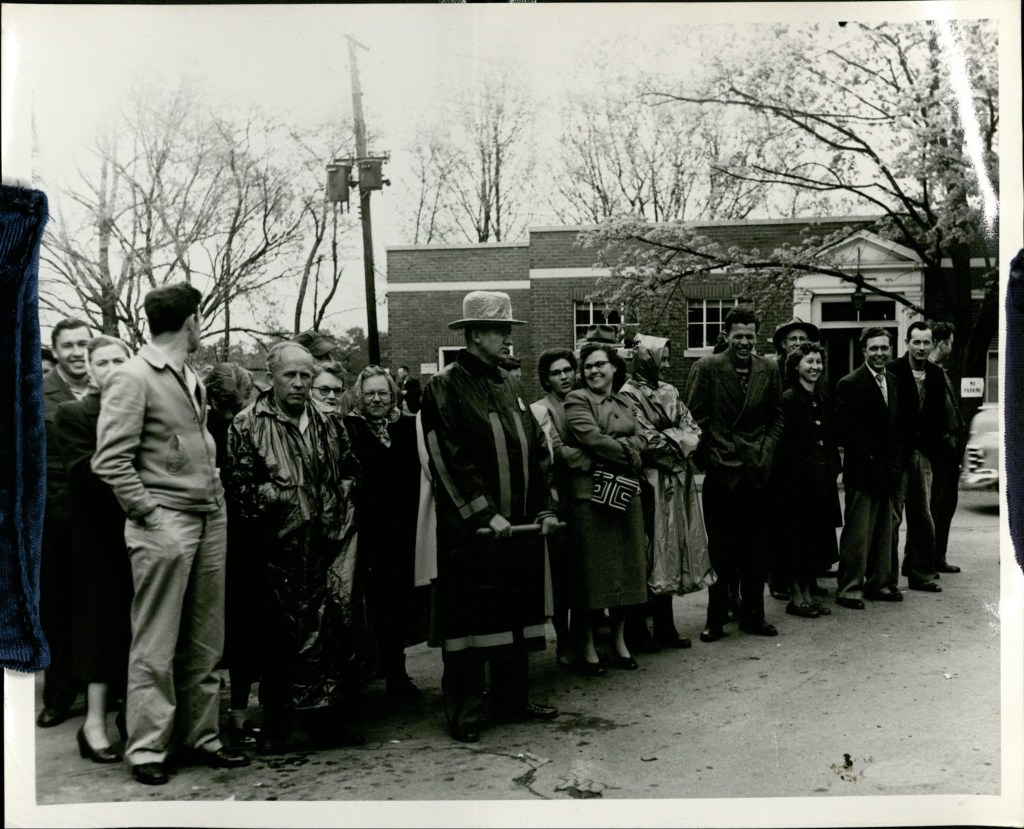
This modest building in the Minimalist Traditional Style was built in 1938 and served as the canteen for Dan River workers. Click here to read more!
1076 W. Main Street – Dan River Company Office Building
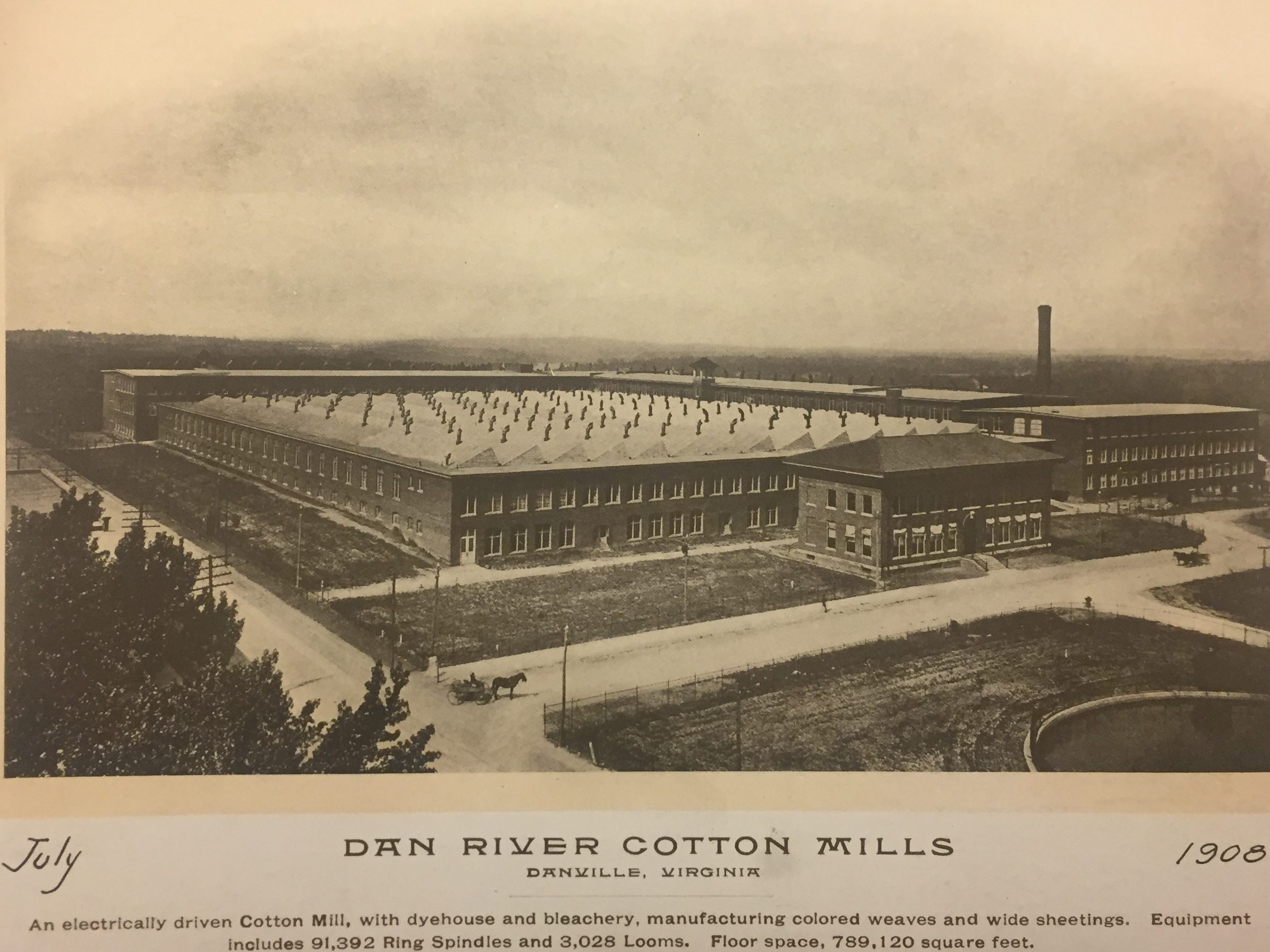
This two-story Italian Renaissance Revival building was designed by the Boston-based architectural and engineering firm Lockwood-Greene and built in 1903 to house Dan River’s management offices. Click here to read more!
1121 W. Main Street –Schoolfield Fire Station
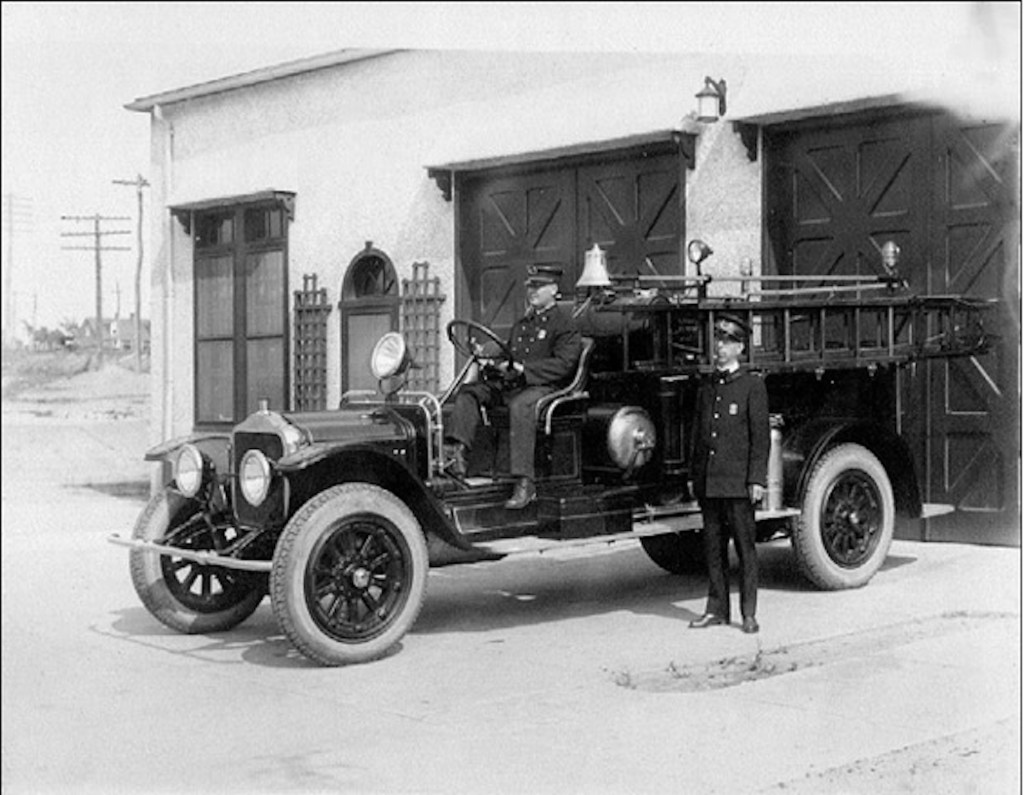
Built around 1919, this Colonial Revival building housed the Schoolfield Fire Department and for some time the Police Department also. It remained active as a fire department until 1987. Click here to read more!
1236 W Main Street –The Fitzgerald Apartments
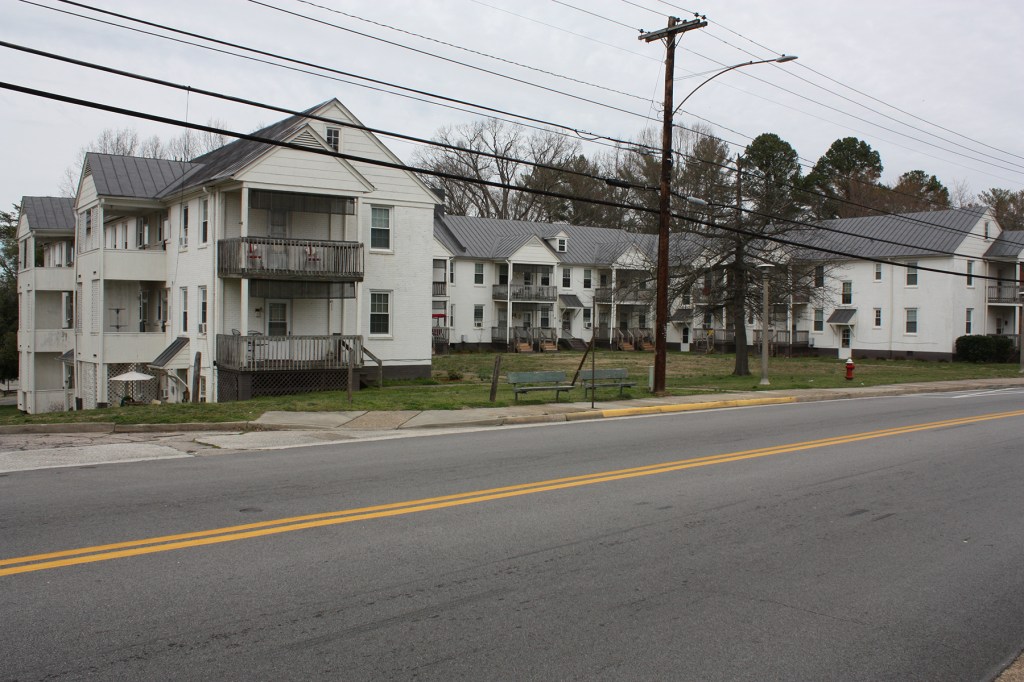
This 1935 Minimalist Traditional Style apartment building, the Fitzgerald Apartments, were built for Dan River workers (usually single workers or couples) and were named for Harry Fitzgerald, a Dan River President who had prematurely died after a strike at the mills in 1931. Click here to read more!
1314 W. Main Street – West End School
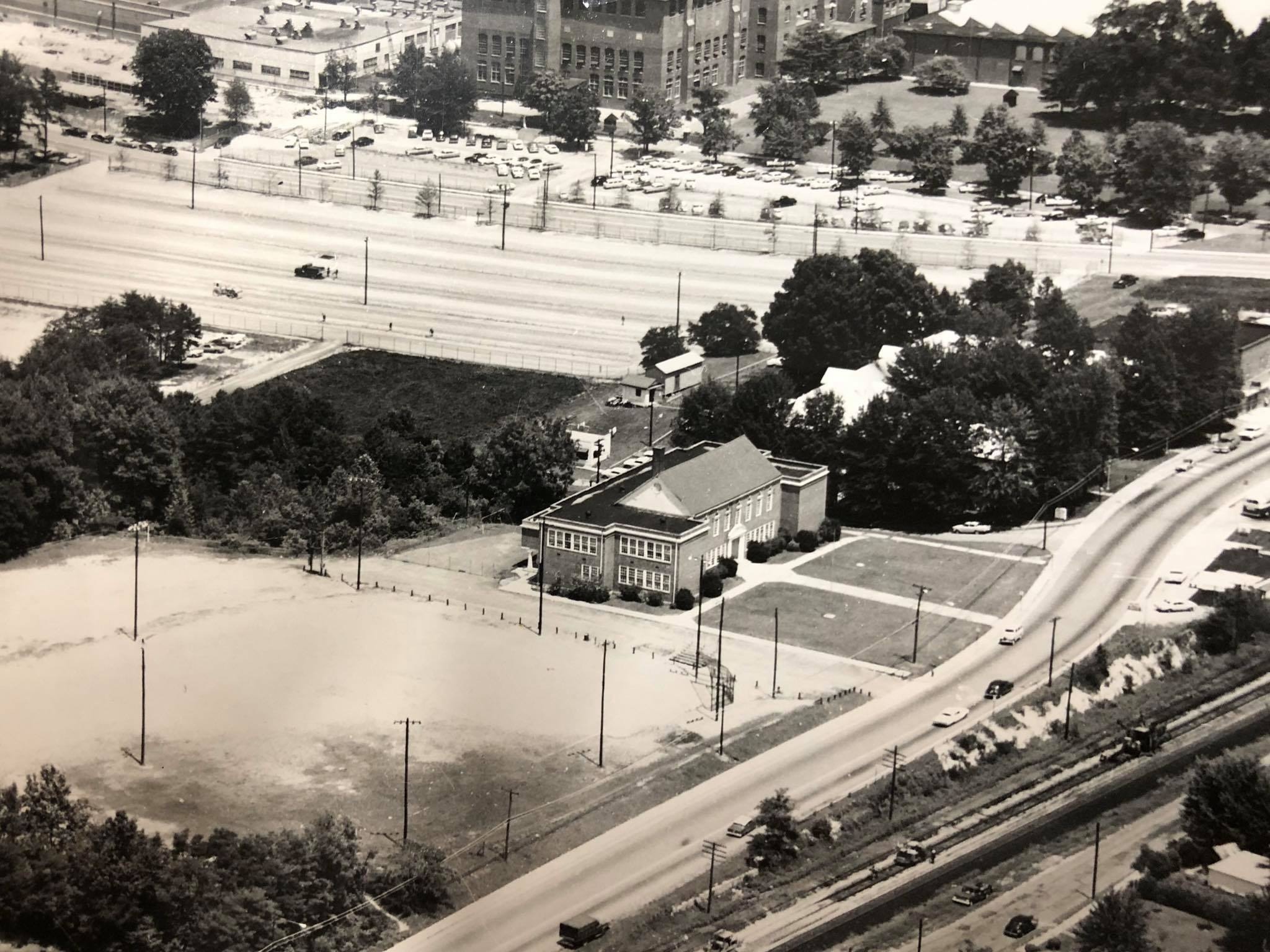
On this Hardees site once stood the West End School, built in 1922 on land donated to the Pittsylvania County School Board by Dan River Mills. Click here to read more!
1932 Memorial Drive – Schoolfield Dam & Powerhouse
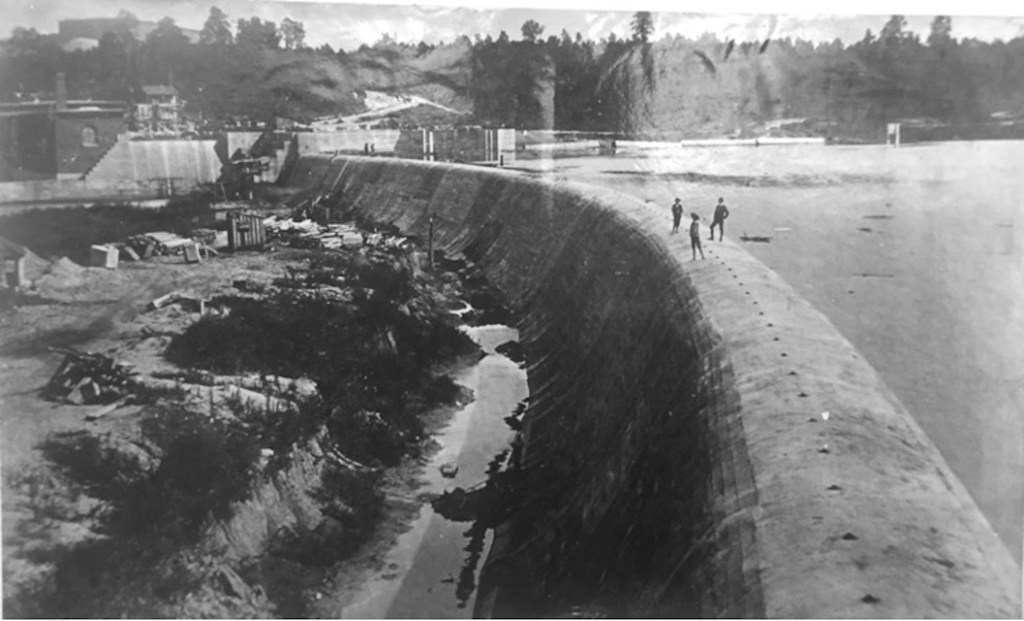
The Schoolfield Dam & Powerhouse were built around 1903 under the auspices of the Dan River Power & Manufacturing Company and designed by the Boston-based architectural and engineering firm Lockwood Greene. Click here to read more!
1 Community Way – 1967 Dan River Executive Offices
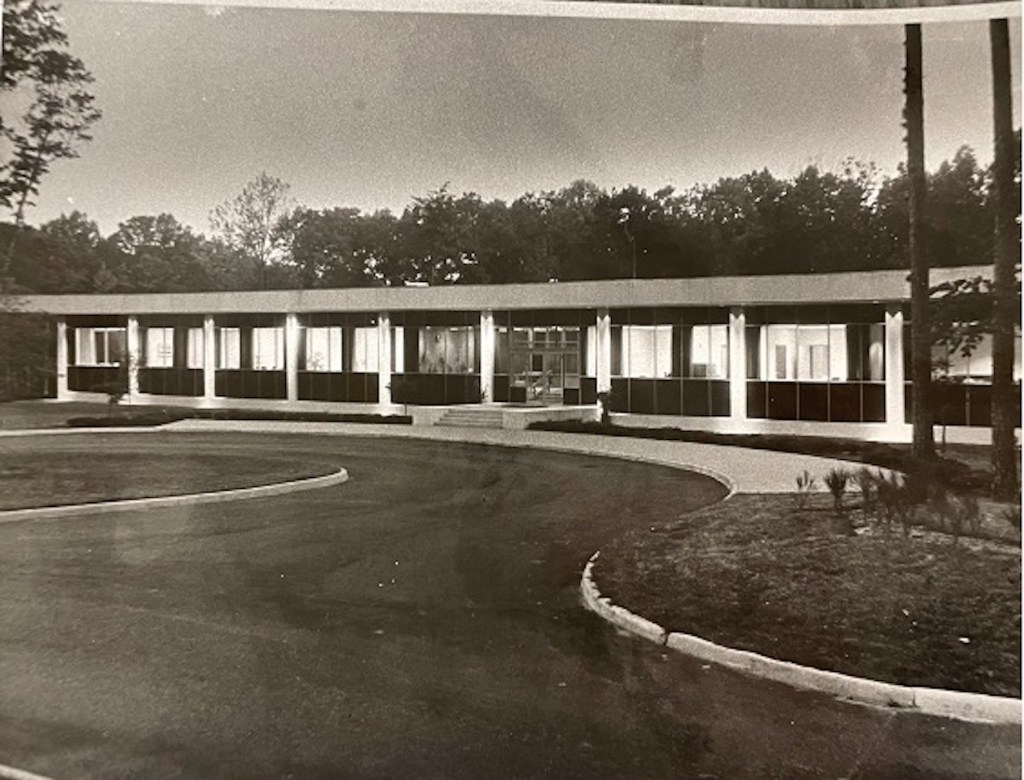
This 1967 Miesian Style building, now the Danville Police Department Headquarters, was once the Executive Office Building, occupied by Dan River management at the height of their corporate sophistication. Click here to read more!
Bishop Avenue Homes
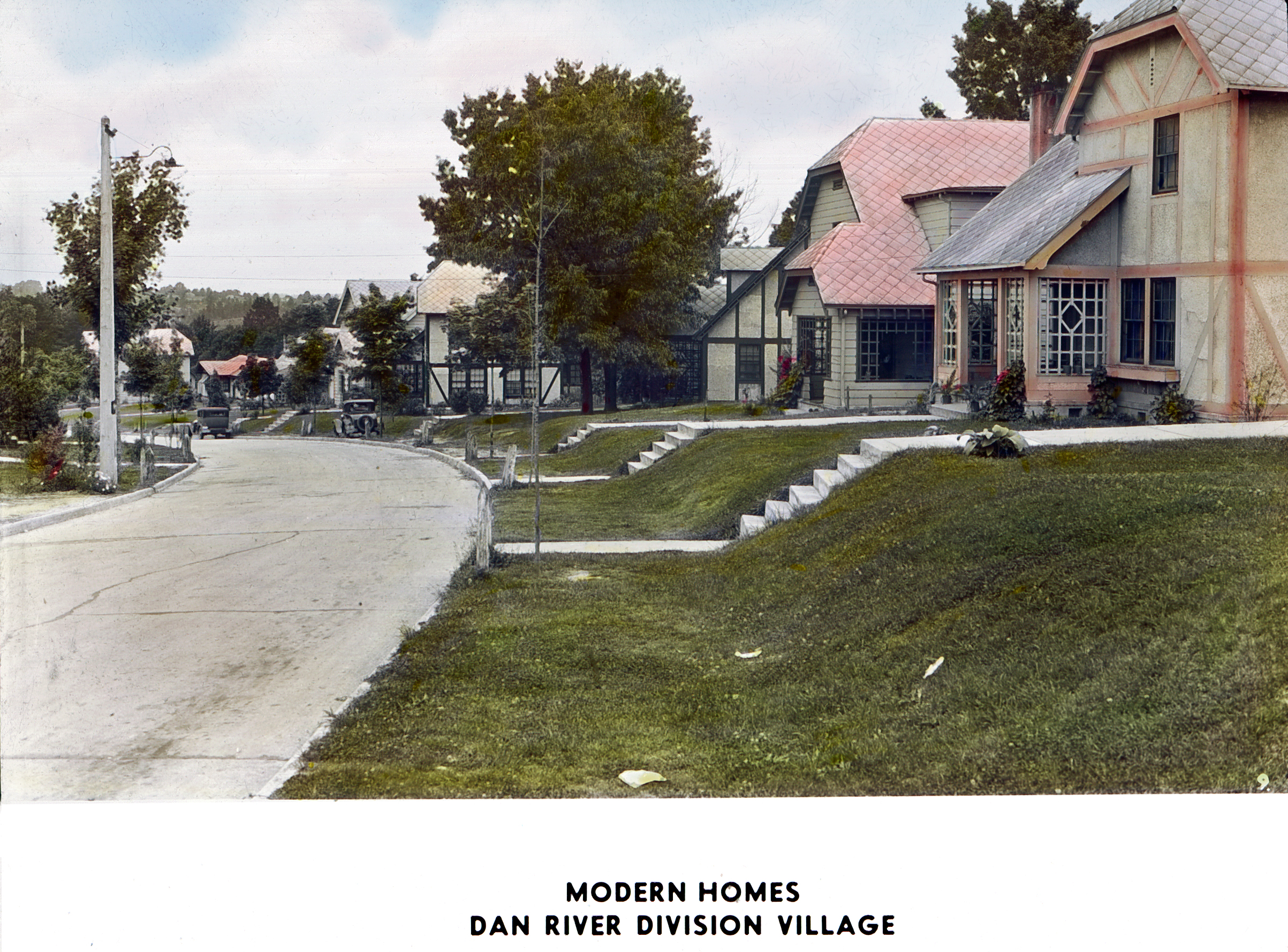
Bishop Avenue boasts the most diverse housing stock in the village with homes built in Carpenter Gothic, Tudor Revival, Classical Revival, and Craftsman styles in various combinations, all designed by the architect E.R. James and built in 1935 by Dan River Mills. Click here to read more!
Park Avenue
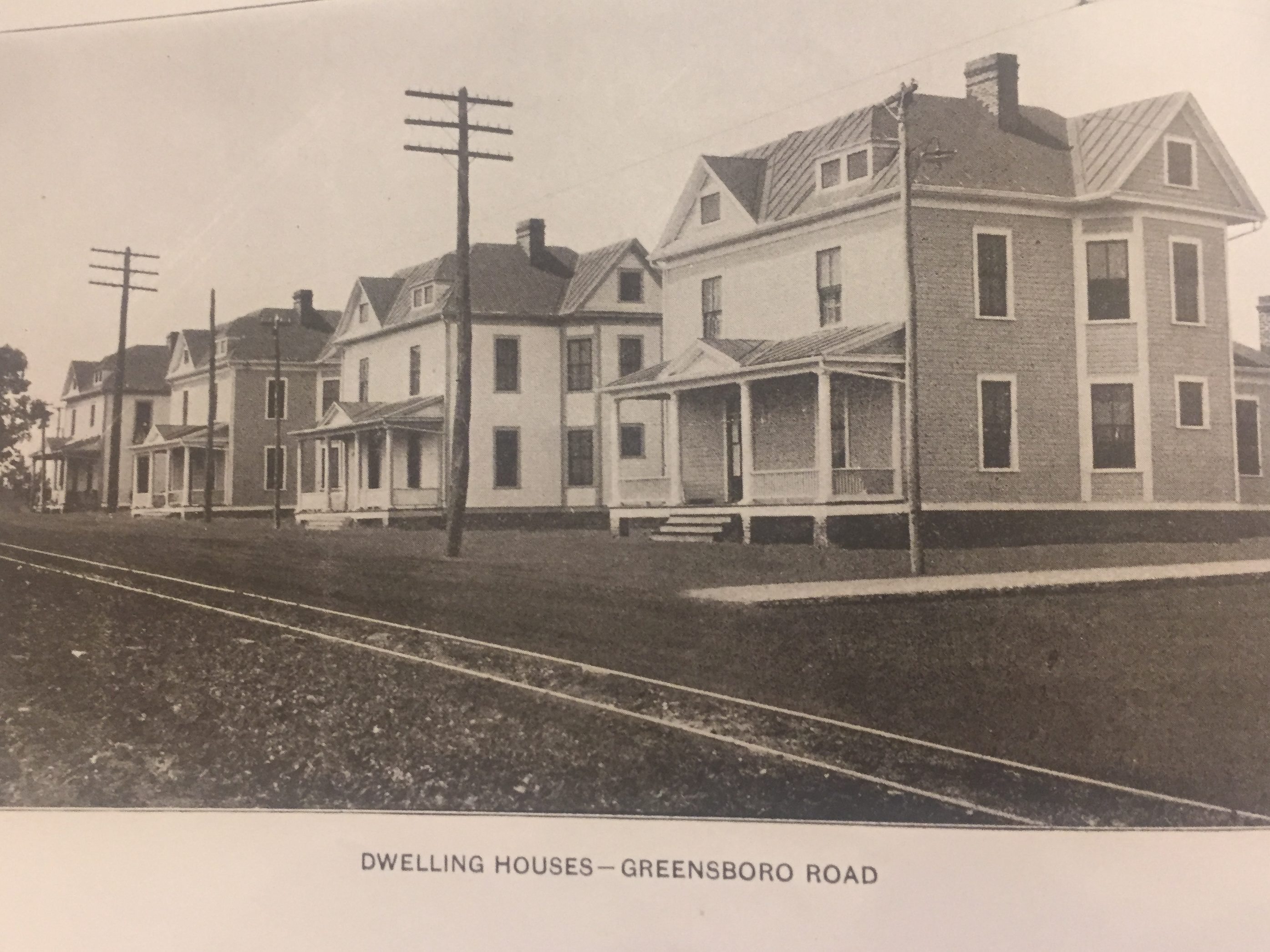
These larger Queen Anne style homes on Park Avenue were built around 1910 and were originally built for Dan River supervisors, overseers, and clerical staff at the mills. Click here to read more!
Privies
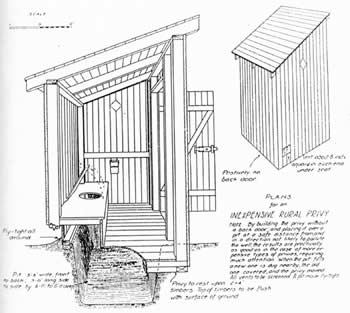
Outhouses, or privies, once peppered the residential streets in Schoolfield, as very few mill houses had indoor toilets until the village was annexed by the City of Danville in 1951. The Schoolfield privies, though no longer standing today, have a storied past. Click here to read more!
Stokesland Avenue
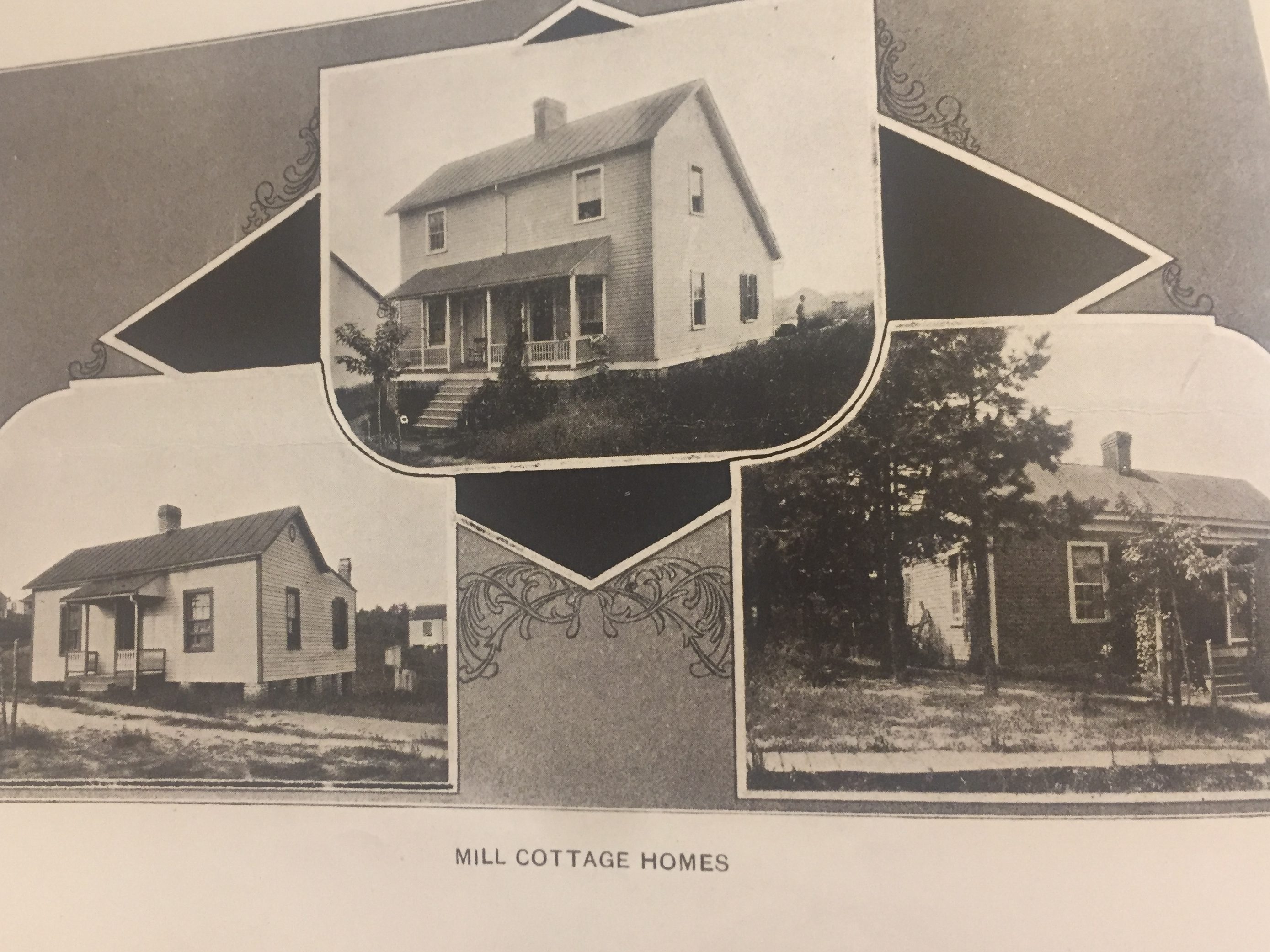
The homes on Stokesland Avenue are representative of the over 800 typical vernacular mill housing in Schoolfield, which varied slightly in size but mostly shared in the same architectural style. Click here to read more!
 schoolfieldvillage.com