The Schoolfield YMCA and Recreation Center was built at the gateway to the village at the corner of West Main Street and Park Avenue in 1916. The YMCA was designed by the Virginia architect J. Bryant Heard, who also designed Hylton Hall in 1919 and the still-extant Welfare/Personnel Building in 1917. The YMCA building was celebrated by Dan River management, who paid for its construction, as “the most beautiful and best equipped industrial Young Men’s Christian Association of the South” when it was finished in 1916. Capped with a terra-cotta hipped roof and grounded with a large pool in the basement, the YMCA was built in the Classical Revival Style, evoking the stability and morality of Christian training that went on within. Three main entrances on its street-facing elevation towards West Main Street allowed for the frequent co-mingling of all the mill’s men, the “[s]uperintendents, overseers, second hands, electricians and office men, weavers, loom fixers, doctors, spinners, carders, and grocers” in a “common brotherhood.” The YMCA also included a movie theater, and bowling alley, quickly becoming a frequented center of community in the mill village. Walking through the YMCA’s doors would, management hoped, “awaken manhood in its finer and broader aspects” for white male millhands in the village who took part in the educational, spiritual, and athletic programs offered within the YMCA.
Though much beloved throughout its life, perhaps the most unusual activity at the YMCA occurred in its first decade. In 1919, then president of Dan River Harry Fitzgerald implemented a program called “Industrial Democracy,” which held regular meetings at the YMCA. Industrial Democracy was an experiment in a company-backed union from 1919-1930. Under Industrial Democracy, both male and female white Dan River workers were purportedly given a democratic vehicle for voicing policy change within the company. Proposing “bills” in the “house” (made up of elected millhands) and “senate” (made up of management), millhands could pass regulations impacting their working lives. White women, who at this time made up 2,000 of the 4,600 operatives at Dan River mills, were welcome to serve as representatives in the house, and they made up nearly half the house by 1920. During Industrial Democracy’s existence, the house wrote and passed bills such as wage increases or enforcing racial segregation in the workplace. For instance, in 1919, some representatives from the Riverside Division (in downtown Danville) passed House Bill 45, which declared that “no colored persons…may be employed by our Company inside of Mills…other than sweepers or scourers, or floor cleaners, or janitors.”
For a brief time, Industrial Democracy served as a unifying economic force and social identity that bound workers to the mills through the democratic process among white workers and general welfare. However, it could not withstand labor unrest that swept the nation and Danville following the Great Depression beginning in 1929. Industrial Democracy died along with its founder Harry Fitzgerald after a violent and unsettling labor strike 1931.
After the strike, the Schoolfield YMCA and Recreation Center lived on as a pillar of Schoolfield and the broader Danville community. Unfortunately, once Dan River closed in 2006, the fate of the YMCA fell to hands that cared little for its historicity and more for its position at the corner of Park Avenue and West Main Street—a good location (and at the right purchase price) for something new. Much to the dismay of all who loved the Schoolfield Rec Center and fought to save it, the building was demolished in 2006 and 2007 for a CVS.
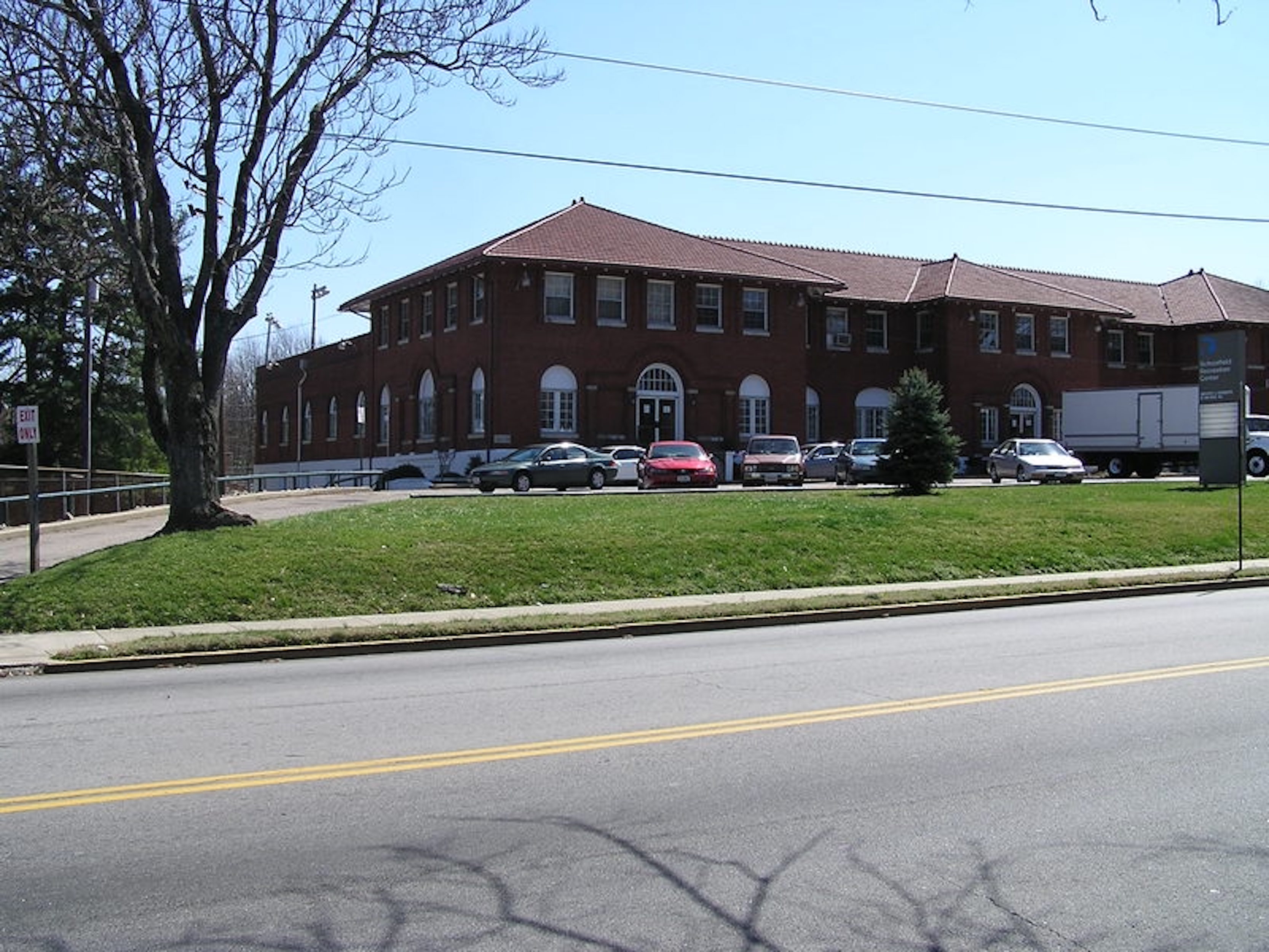
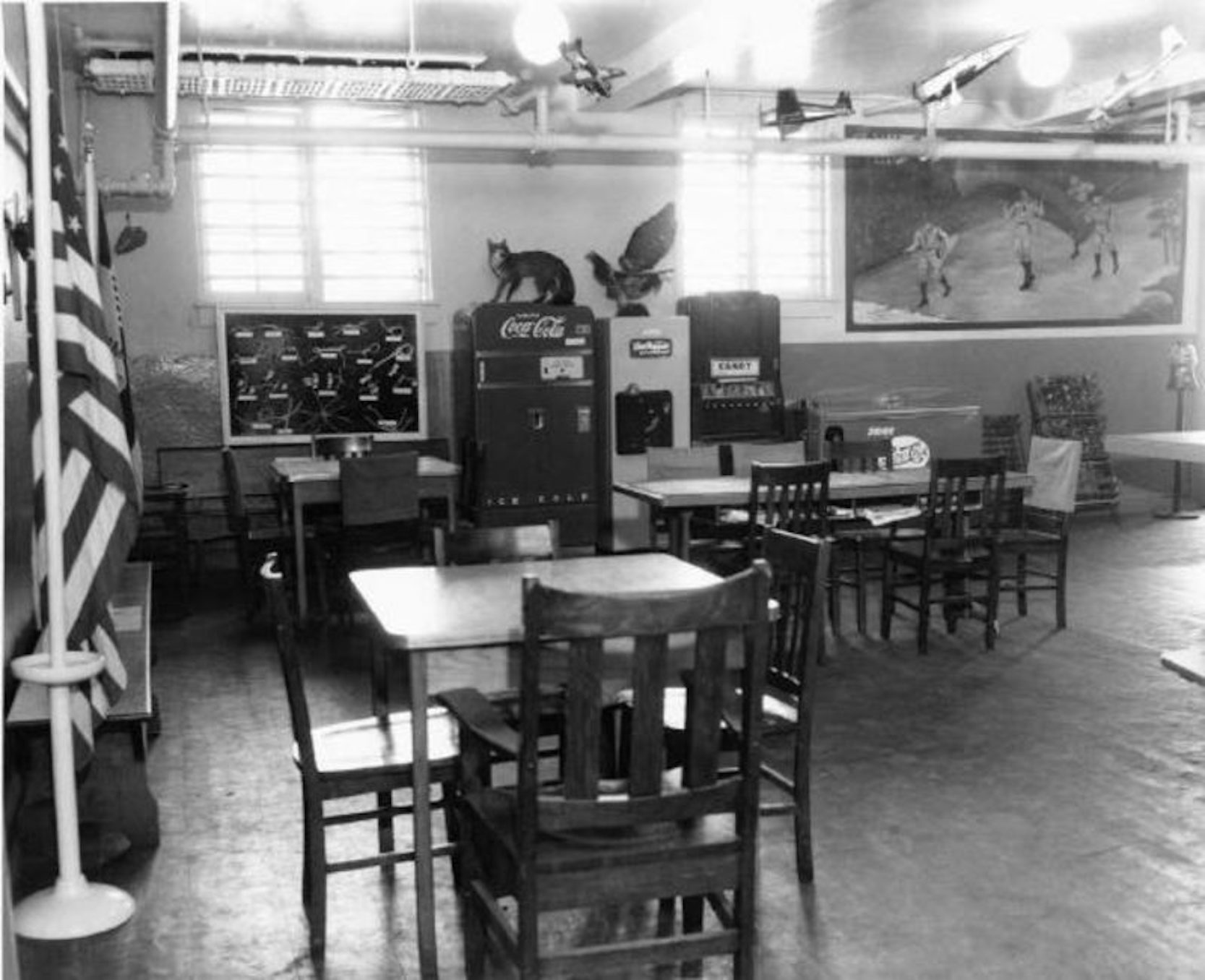
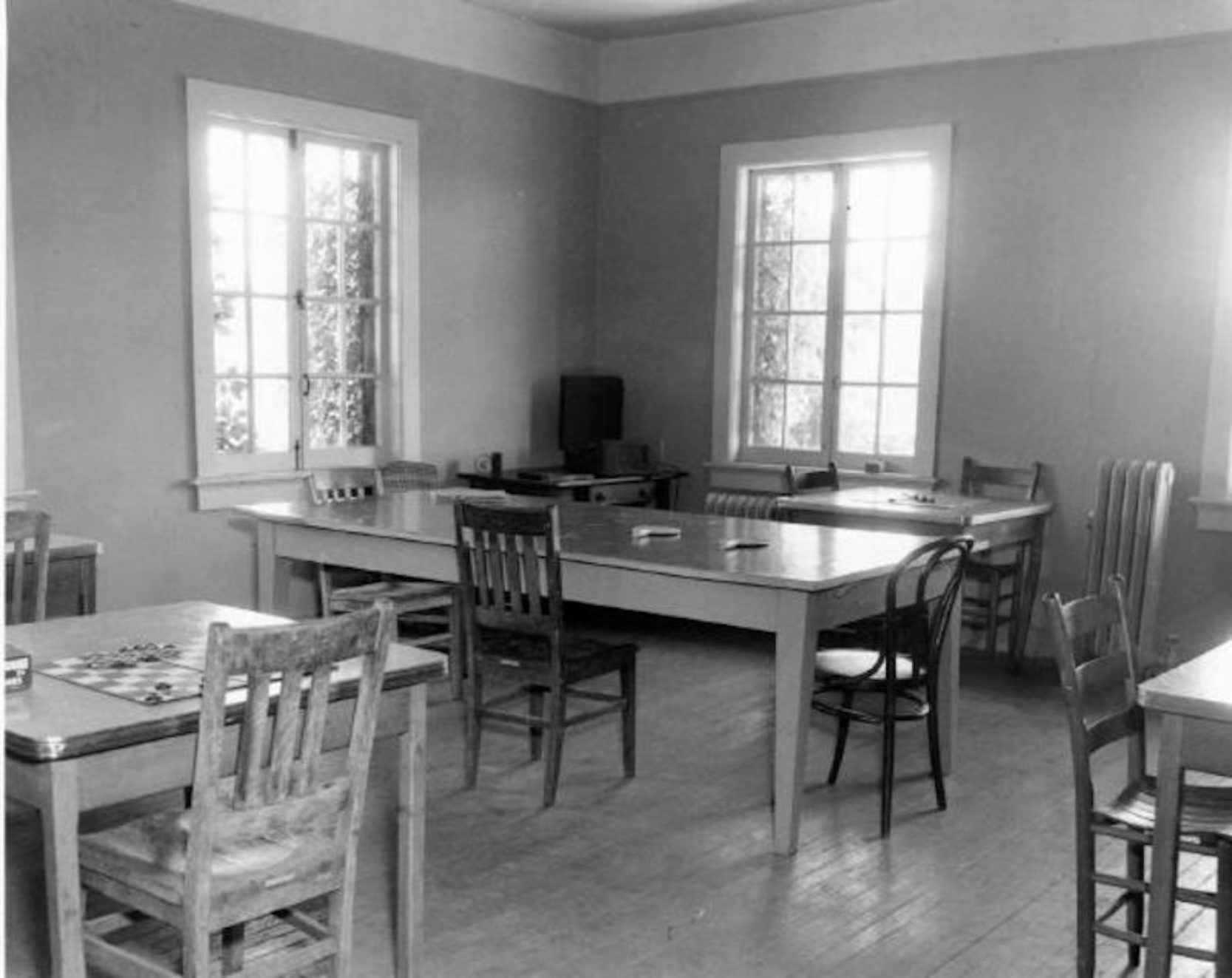
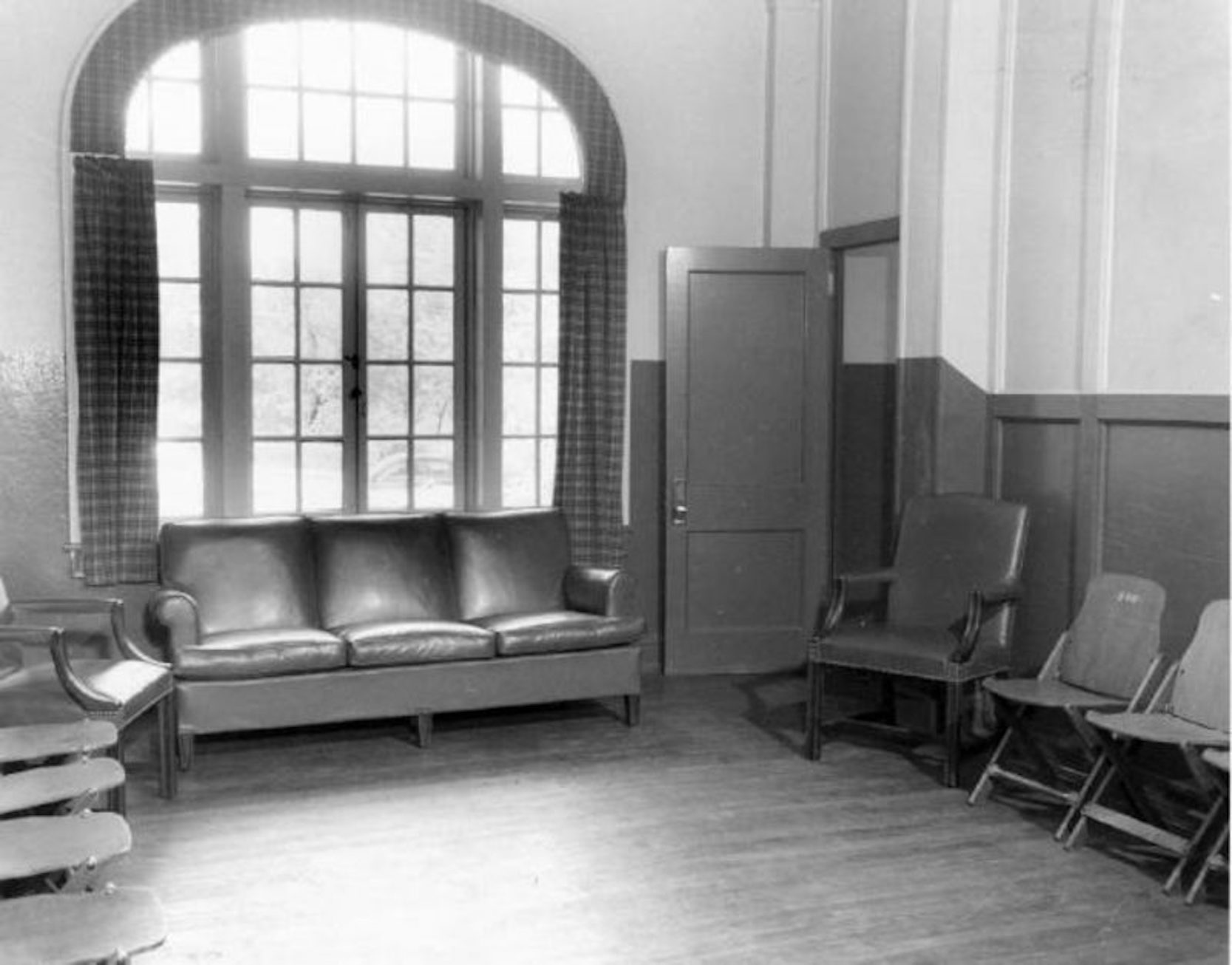
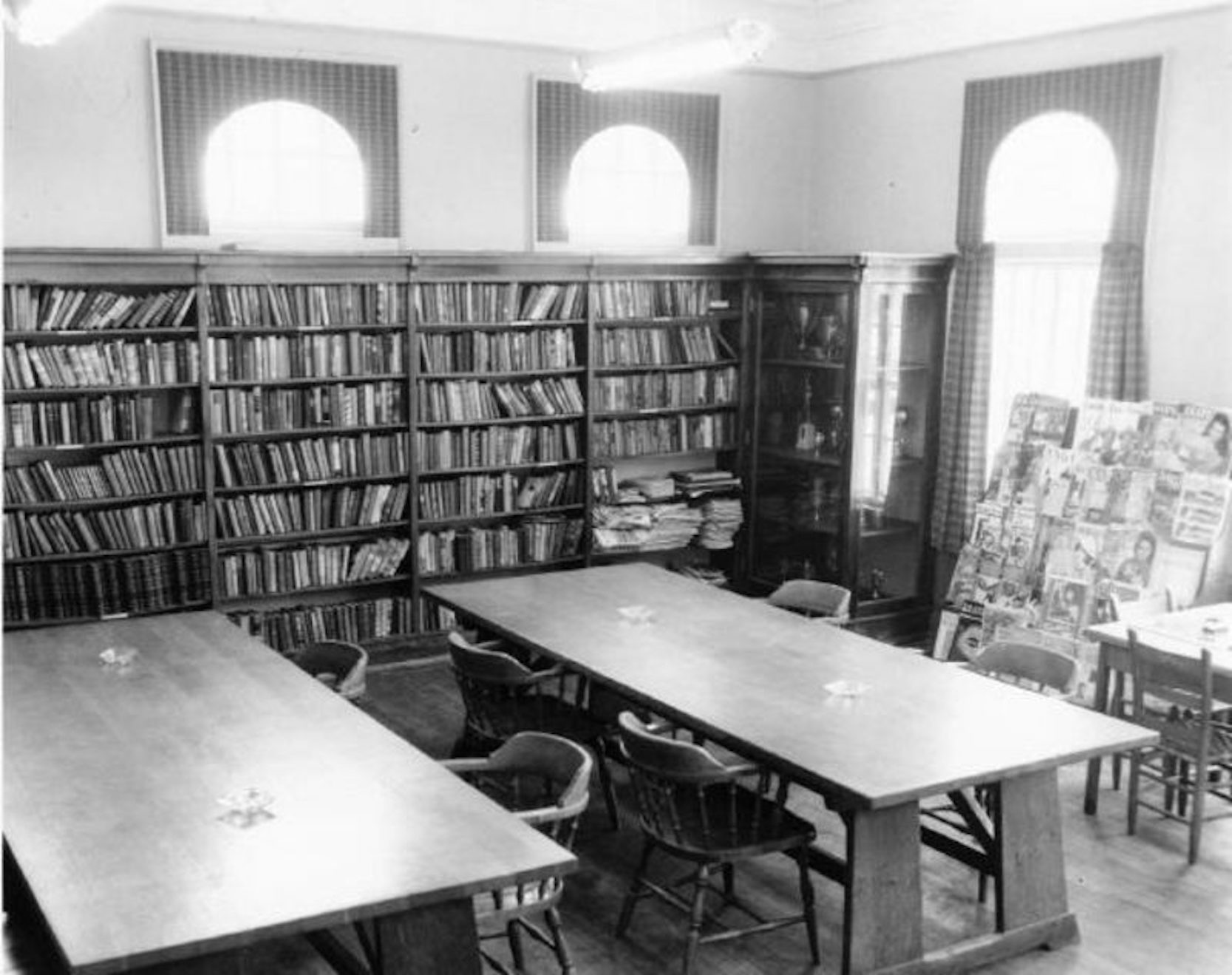
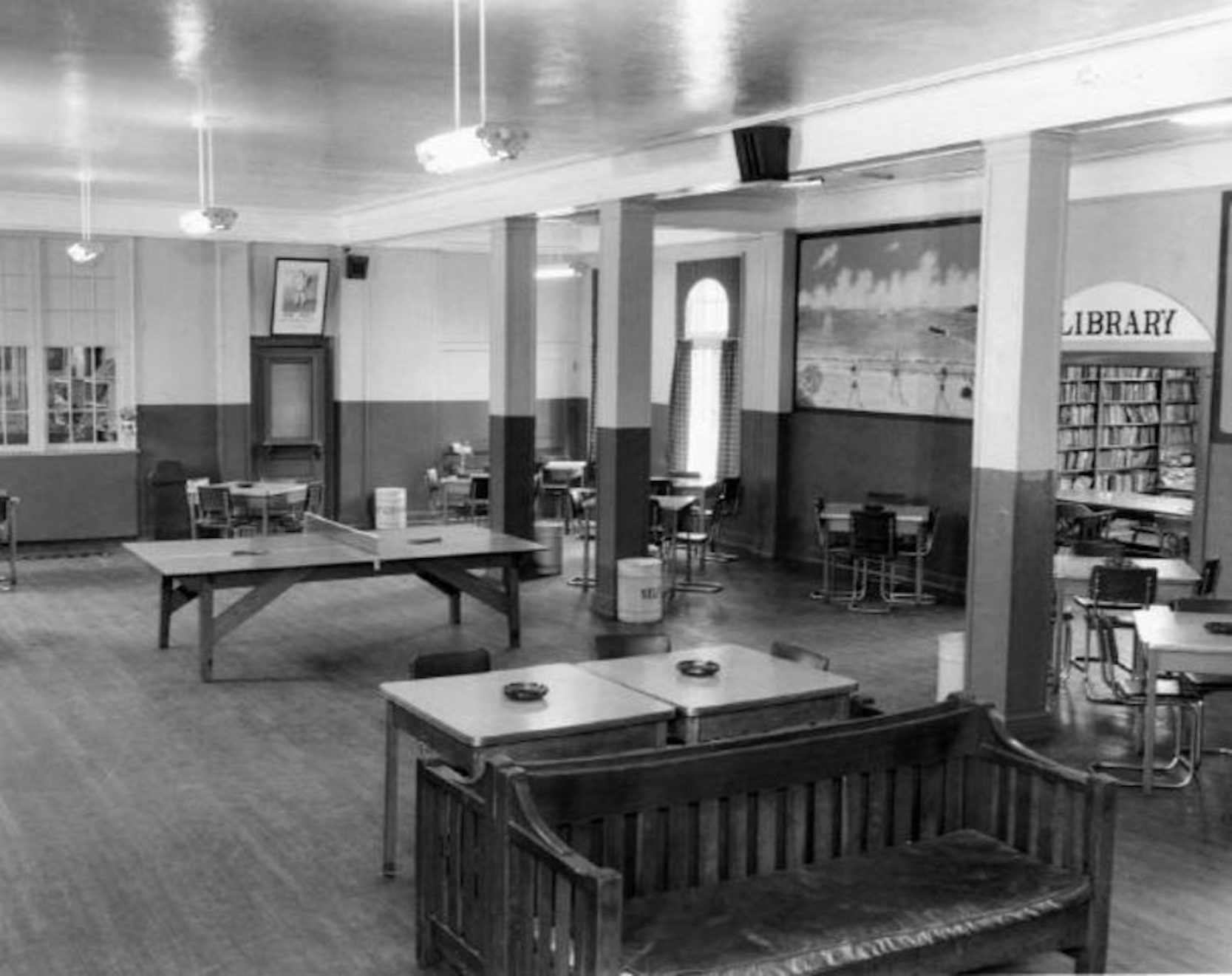
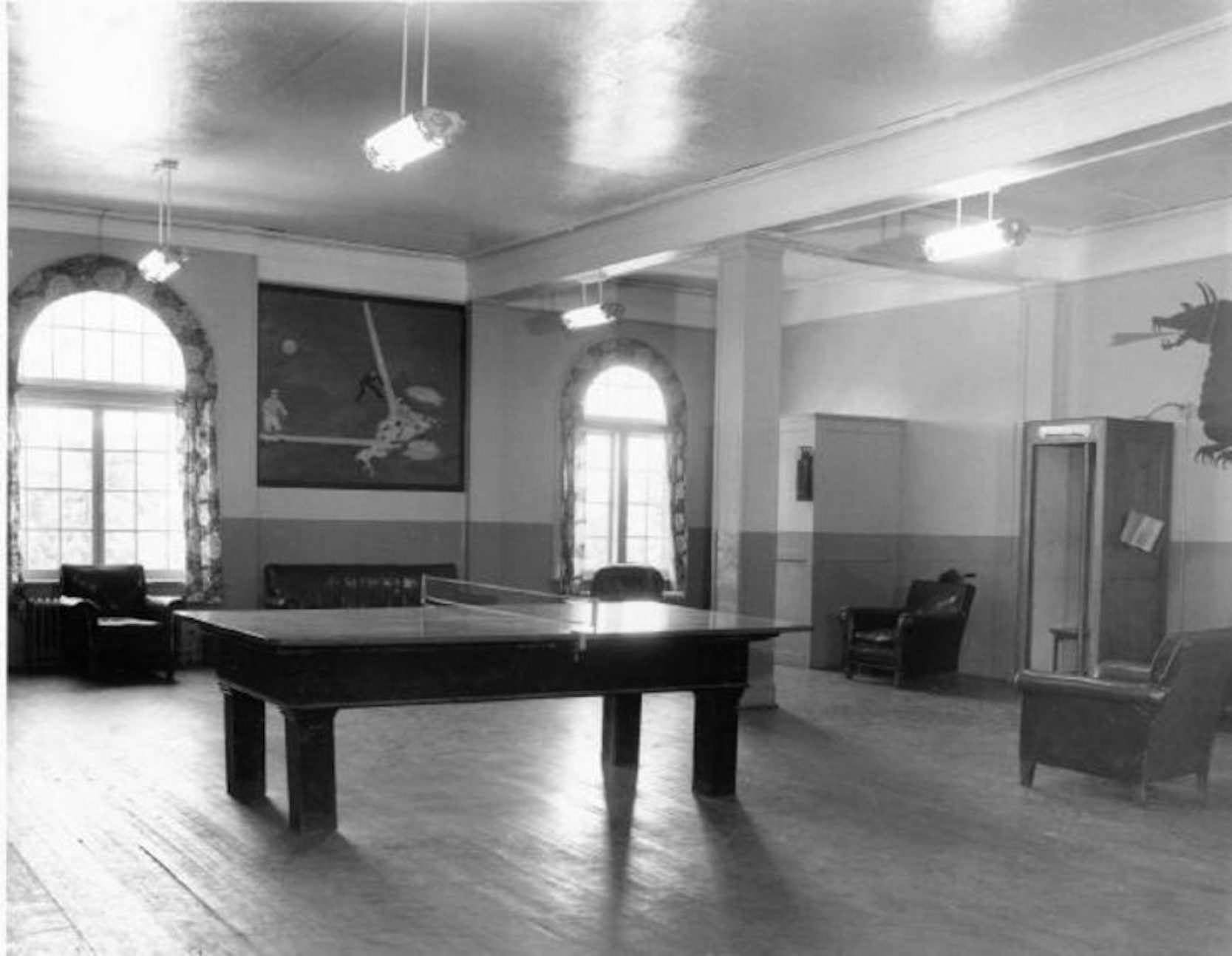
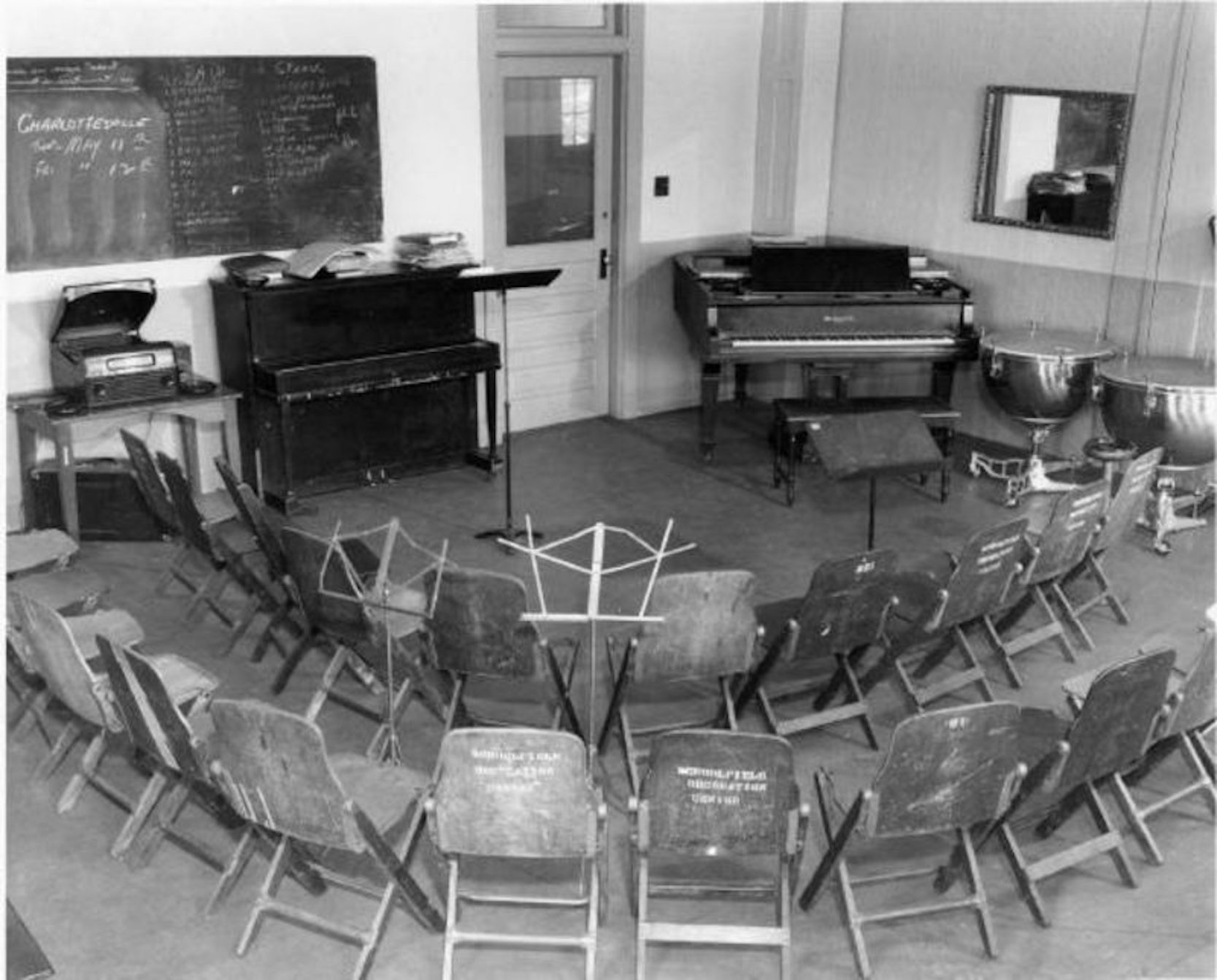
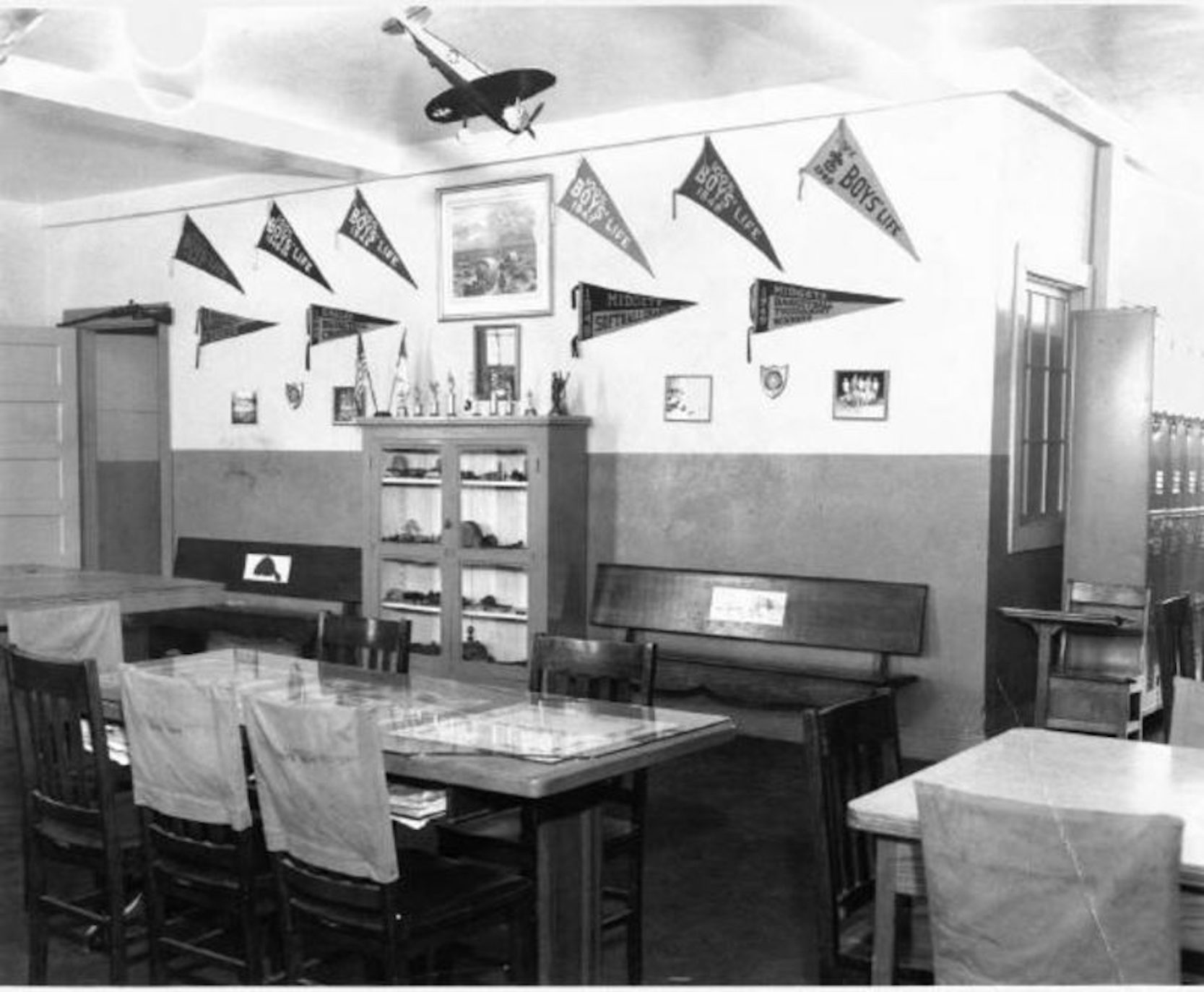
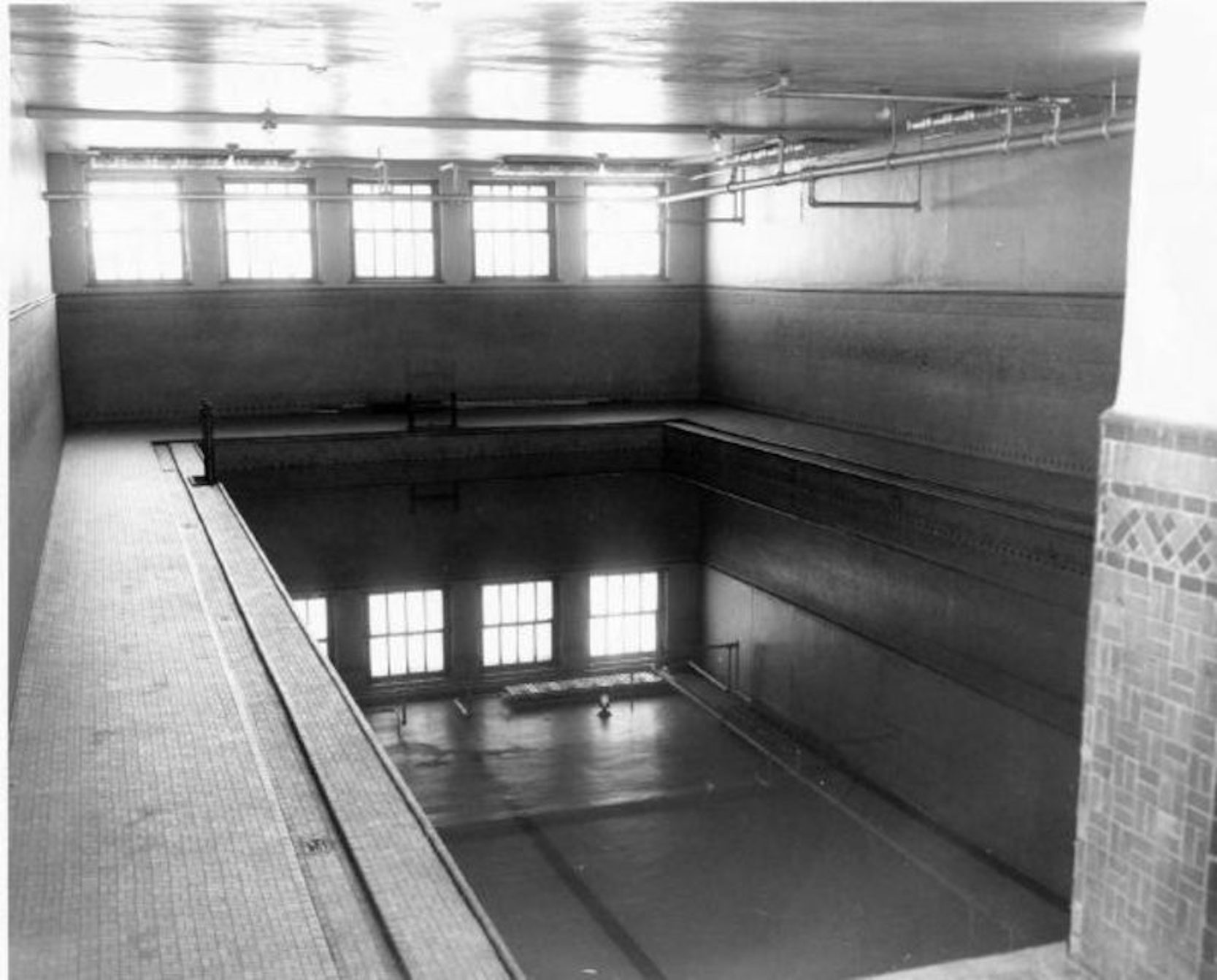
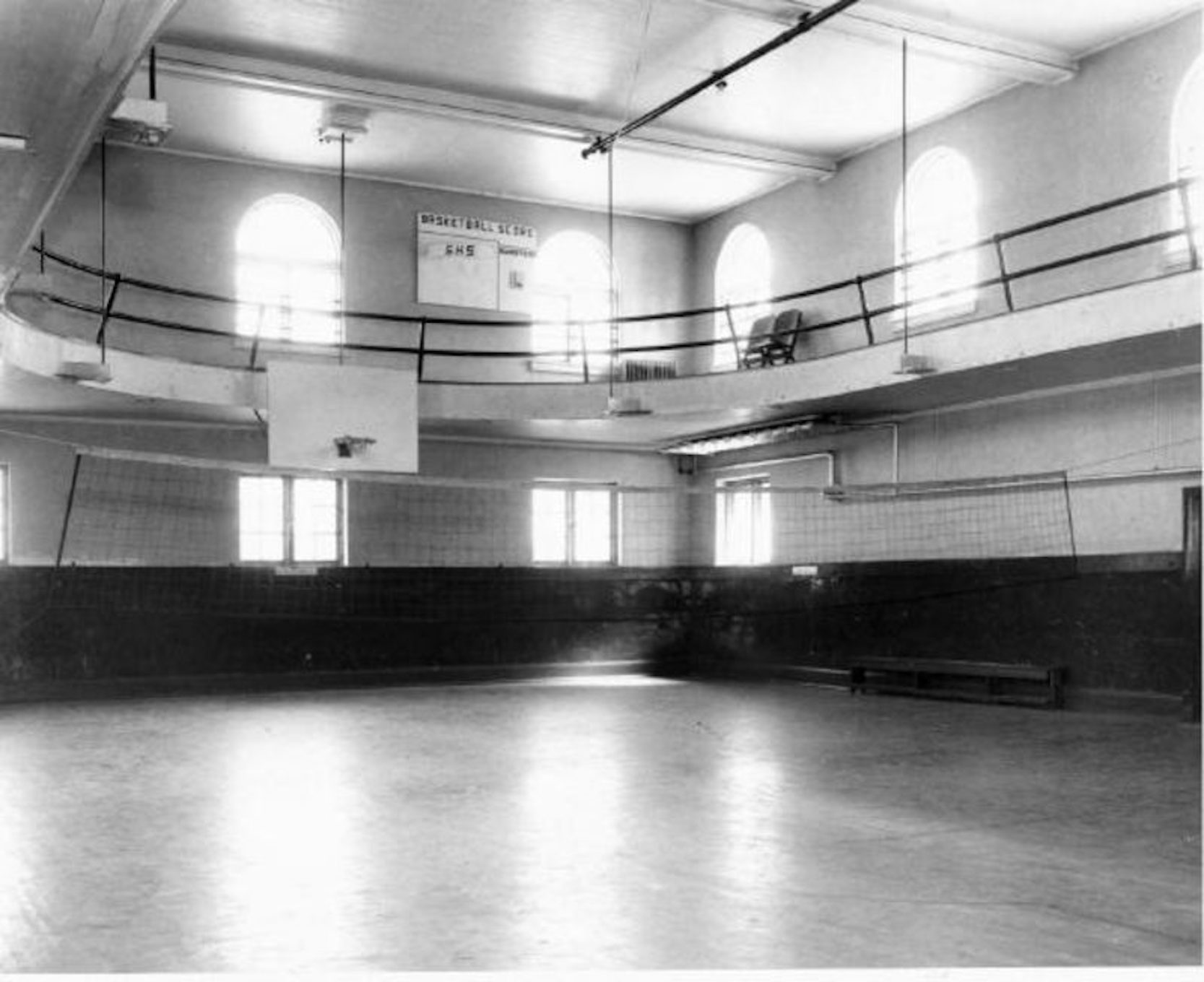
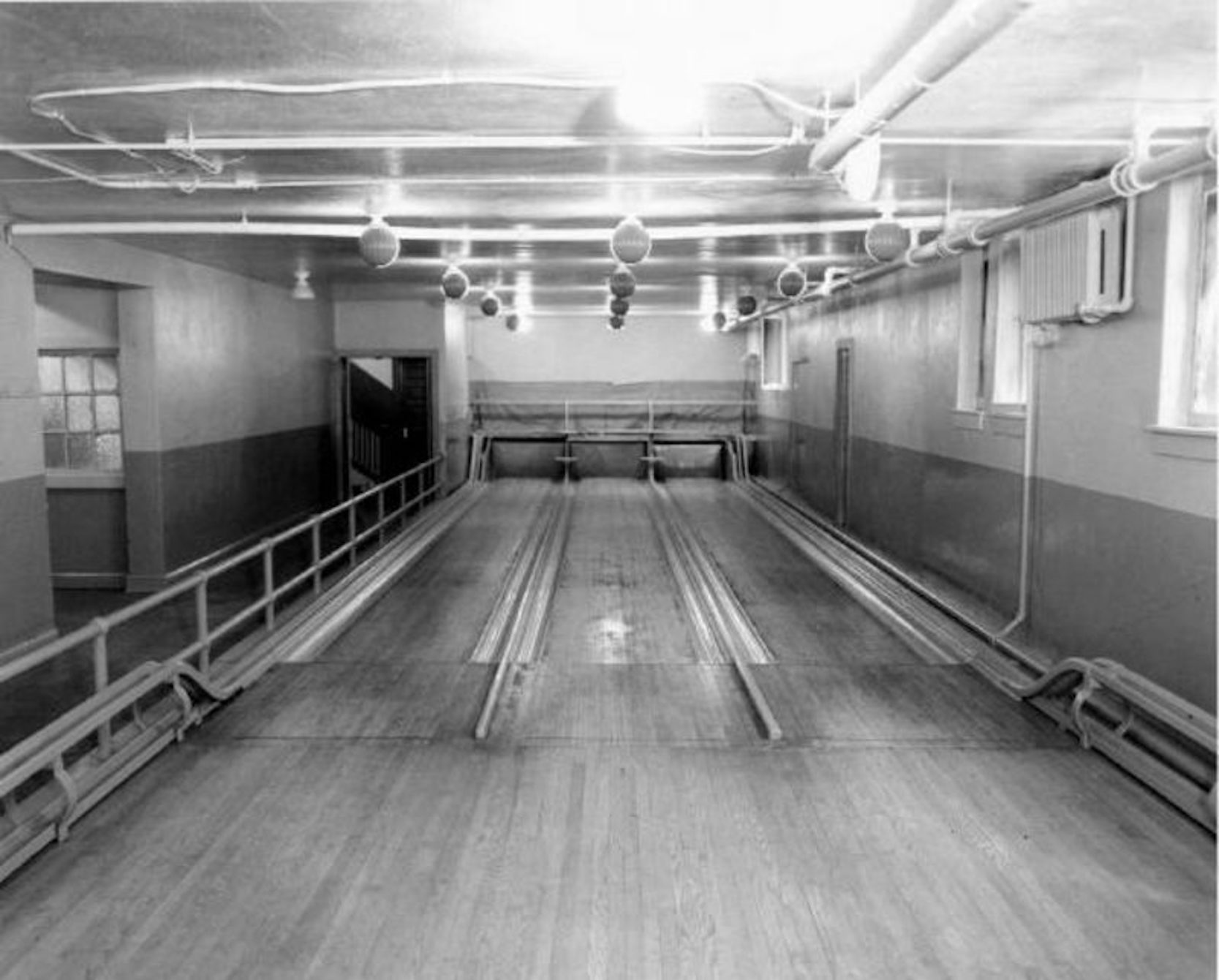
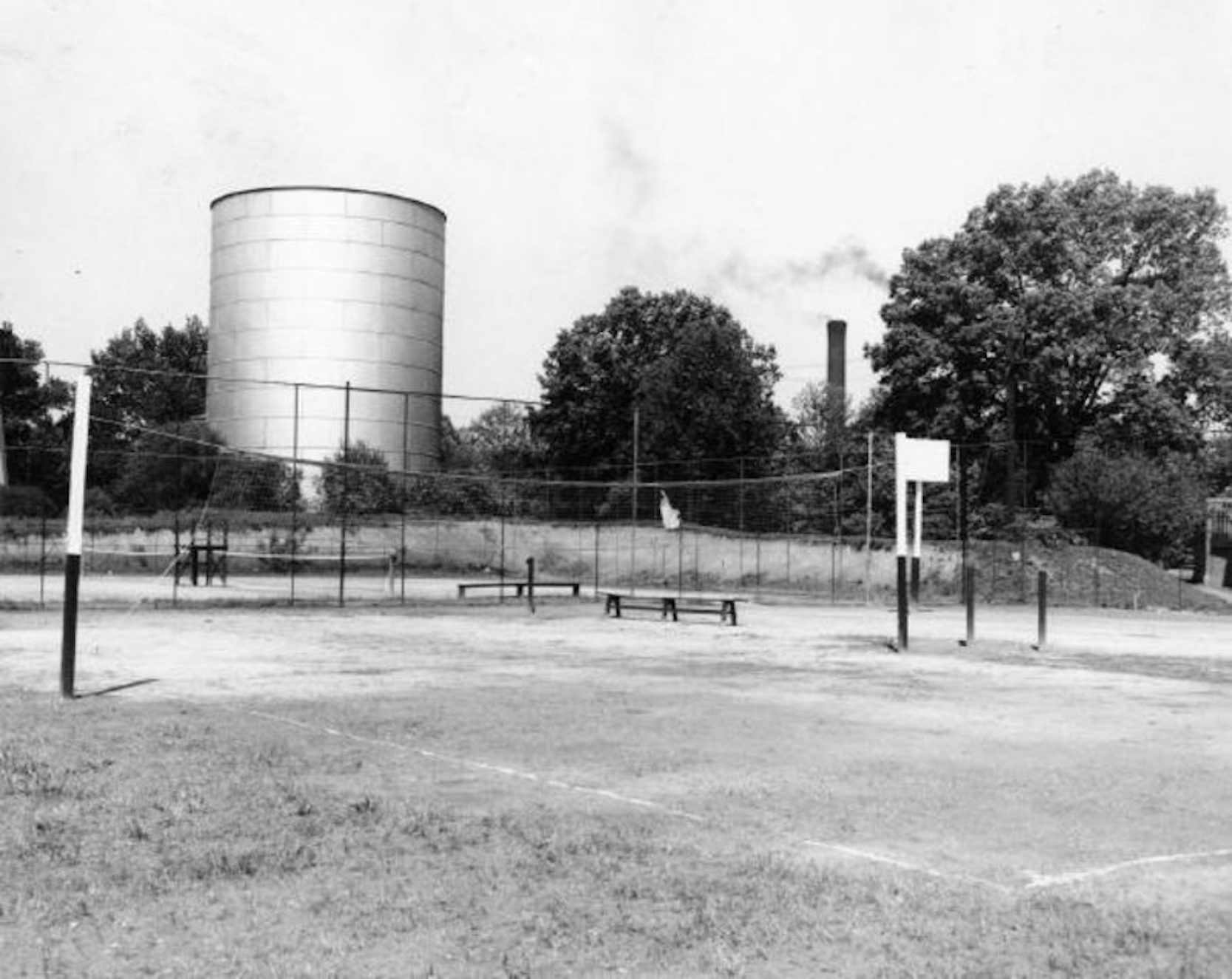
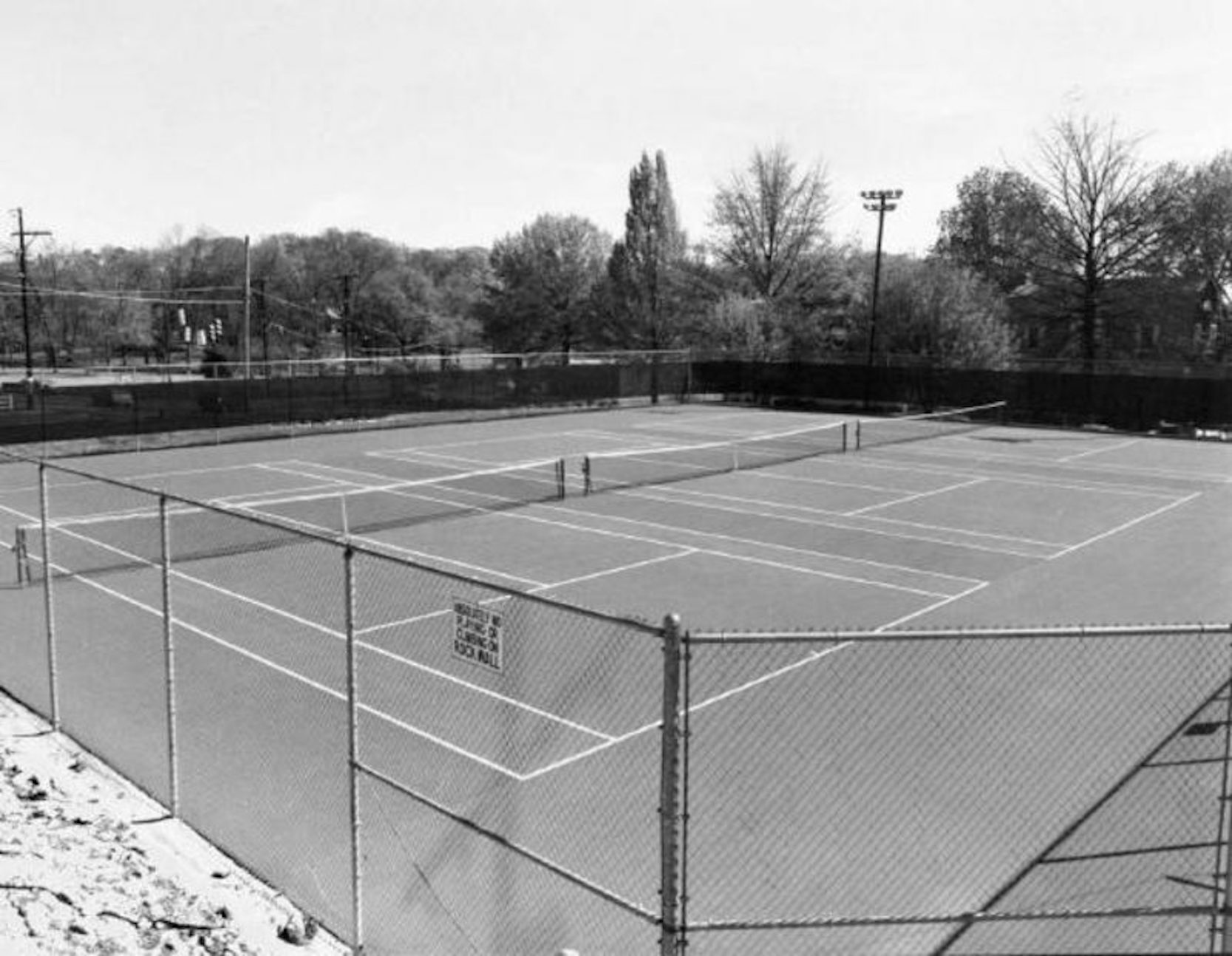
These photos and materials from a 1990 documentation of the Schoolfield YMCA show the amazing spaces Dan River created for its millhands. Photos courtesy of the Virginia Department of Historic Resources V-CRIS database.
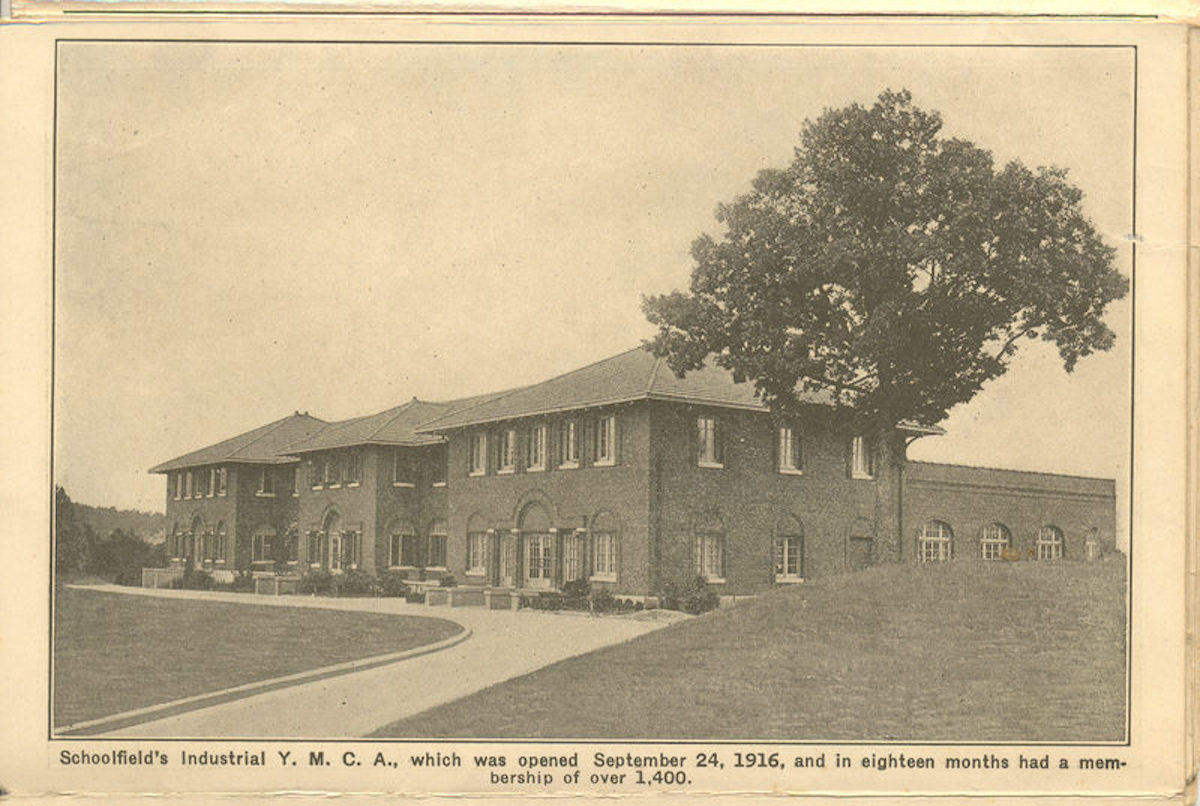
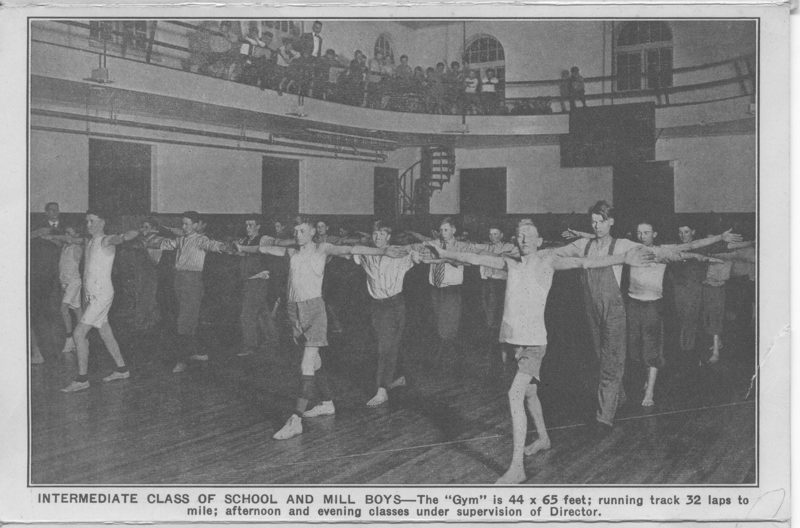
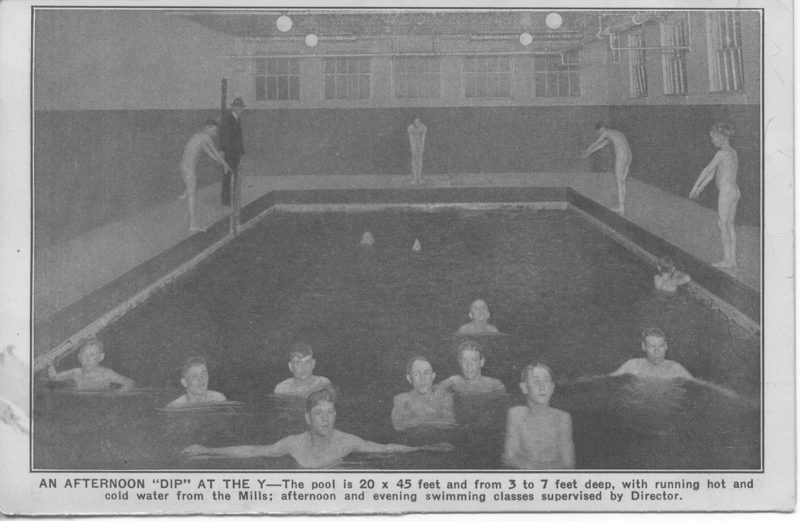
In a 1917 promotional postcard, Dan River advertised the newly built YMCA. Photo courtesy of the Virginia Department of Historic Resources.
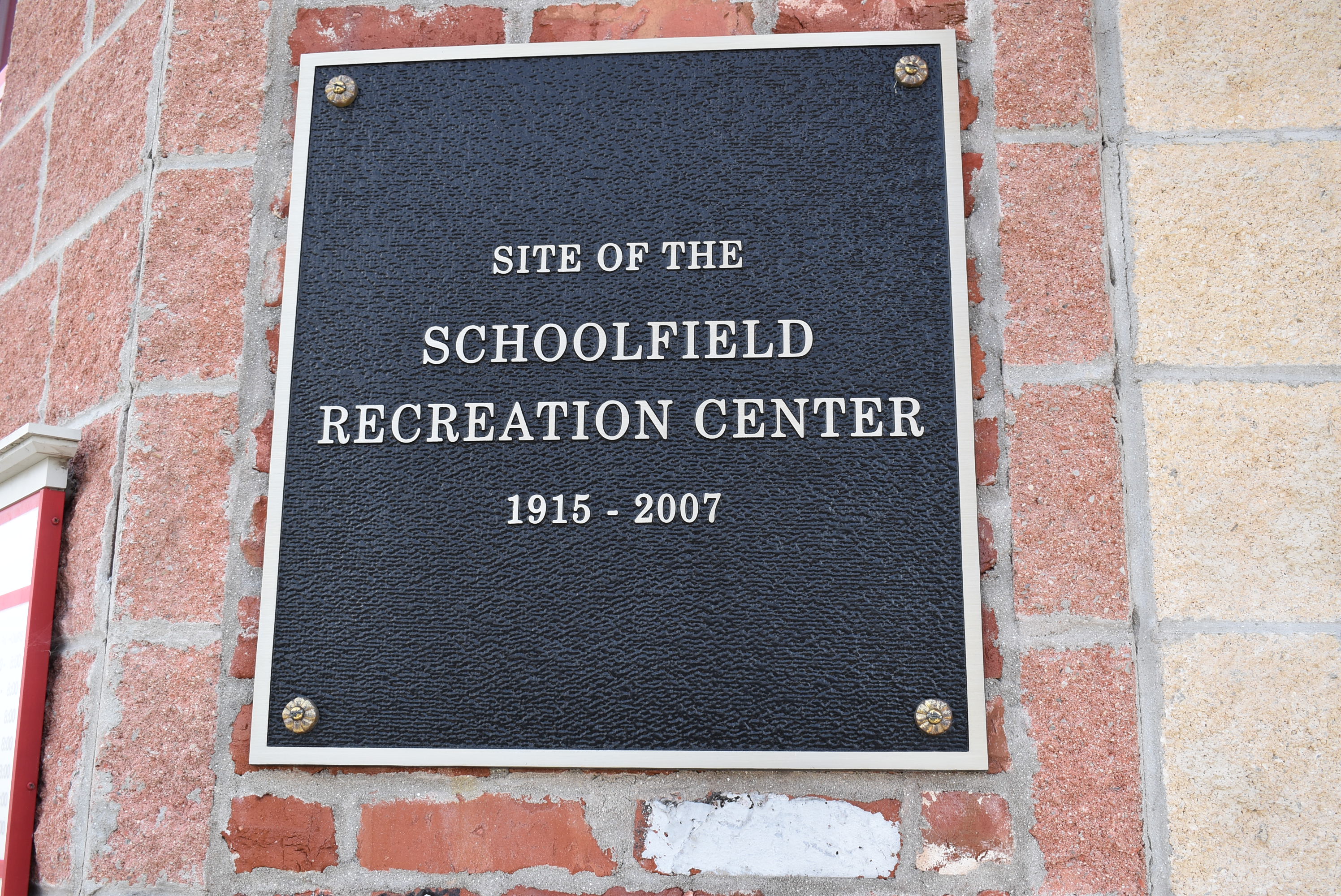

Above: 2020 photos show the CVS that replaced the YMCA/Rec Center. Photo on file with the City of Danville. Below: A sample from 1922-1923 House and Senate Minutes Industrial Democracy Congress, which met in the YMCA. Courtesy of UNC-Chapel Hill Wilson Library’s Southern Historical Collection Dan River Inc. Papers.
See also:
Clark, David, ed. “Health and Happiness Number.” Southern Textile Bulletin XVIII, no. 17 (December 25, 1919). https://archive.org/details/southerntextileb1919unse.
Clark, David, ed. “Health and Happiness Number.” Southern Textile Bulletin XXIV, no. 17 (June 21, 1923). https://archive.org/details/southerntextileb1923unse.
Dan River Mills, Inc., Records #5793, Southern Historical Collection, The Wilson Library, University of North Carolina at Chapel Hill.
Herring, Harriet L. “Labor Troubles in the Danville Area, 1930: Personal Observations of HLH,” 1930. Folder 186. Harriet L. Herring Papers, 1925-1968 #4017, Southern Historical Collection, The Wilson Library, University of North Carolina at Chapel Hill.
 schoolfieldvillage.com